Сайд чейн с помощью soothe 2 в fl studio
1 — вешаешь на 808 soothe2. 2 — c канала кика кидаешь на канал 808 side chaine.
3 — в soothe2 переходишь во вкладку настроек плагина, а потом во вкладку процессы.
2 дня потратил на видосы, по итогу сам разобрался.


Алексей ШульгаПрофи (771) 1 год назад
чет зашол спустя 7 месяцев, прочитал свою писанину и понял, что 4 пунктом должно быть «включить функцию side chaine в самом плагине (на первой фотке под надписью SIDECHAINE) и только потом всё заработает.
дима ПолотУченик (220) 8 месяцев назад
Делай сайдчейн другими способами. Слайд ноты, лимитер и т. Д
oeksound soothe 2 (1 онлайн
Вы используете устаревший браузер. Этот и другие сайты могут отображаться в нём некорректно.
Вам необходимо обновить браузер или попробовать использовать другой.
Anton Vorozhtsov
ex TonyAlien
3 Мар 2012 7.158 5.314 113 39 Запорожье, Украина
Обратите внимание, пользователь заблокирован на форуме.
Anton Vorozhtsov
ex TonyAlien
3 Мар 2012 7.158 5.314 113 39 Запорожье, Украина
Обратите внимание, пользователь заблокирован на форуме.
Добавили ровно то, что я ждал: раздельные настройки оффлайи и онлайн процессинга, MS, расширили диапазон обработки вниз. Такого вау-эффекта, как оригинальный сузик, обнова не вызвала (что вполне логично), но вполне стоит того, чтобы выложить еще 50 своих кровных евро.
Anton Vorozhtsov
ex TonyAlien
3 Мар 2012 7.158 5.314 113 39 Запорожье, Украина
Обратите внимание, пользователь заблокирован на форуме.
UPD: загрузка CPU снижена примерно на 15%, появилсярежим Eco, в котором она снижается еще вдвое, задержка обработки снижена вдвое, теперь она составляет около 2000 семплов. В целом — весьма годный апдейт.
KB Music Studio
Официальный представитель APS
27 Ноя 2017 2.328 1.253 113 kbmusicstudio.com
Это один из не многих инструментов обработки, который действительно привнес, что то новое в индустрию.
Everlast
Active Member
16 Окт 2009 328 124 43 Киев
Плагин крутой, только дороговато стоит, подлец)
Anton Vorozhtsov
ex TonyAlien
3 Мар 2012 7.158 5.314 113 39 Запорожье, Украина
Обратите внимание, пользователь заблокирован на форуме.
Плагин крутой, только дороговато стоит, подлец)
Я за 100 брал на ЧП в 2018. Апгрейд за 50 на этом фоне немного кусается, конечно, но если учитывать изначальный прайс, то становится спокойнее)
Radiator
Well-Known Member
24 Май 2006 4.234 2.117 113 Vladivostok
Это один из не многих инструментов обработки, который действительно привнес, что то новое в индустрию.
Я не крутил «успокаивающего», только смотрел некоторые видео обзоры, но у меня возник вопрос: В чём новшество то? Чем допустим тот же MSpectralDynamics от мельды хуже, которому уже сто лет как? Может я чего не услышал такого в нем, чего не может сделать старичок от мельды? И функционал у мельдовского гораздо шире на мой взгляд.
Everlast
Active Member
16 Окт 2009 328 124 43 Киев
Я за 100 брал на ЧП в 2018. Апгрейд за 50 на этом фоне немного кусается, конечно, но если учитывать изначальный прайс, то становится спокойнее)
Дождусь и я какой-то распродажи)
Anton Vorozhtsov
ex TonyAlien
3 Мар 2012 7.158 5.314 113 39 Запорожье, Украина
Обратите внимание, пользователь заблокирован на форуме.
Я не крутил
В этом весь ответ) А мельда — мусорные плаги, функционал хороший, но совершенно неюзабельны. Отказ от разработки под мак в их гроб вбивает последнюю крышку, могу только посочувствовать легальным юзерам.
KB Music Studio
Официальный представитель APS
27 Ноя 2017 2.328 1.253 113 kbmusicstudio.com
Я не крутил «успокаивающего», только смотрел некоторые видео обзоры, но у меня возник вопрос: В чём новшество то? Чем допустим тот же MSpectralDynamics от мельды хуже, которому уже сто лет как? Может я чего не услышал такого в нем, чего не может сделать старичок от мельды? И функционал у мельдовского гораздо шире на мой взгляд.
Я не смогу вам так передать словами, лучше покрутить и сравнить.
Спойлер: офф
Что же касается Melda, для меня интерфейс не подходит от слова совсем и еще я не очень отнесся к последним их выпадам в сторону Apple и странную агитацию за PC, мне она Windows и бесплатно не нужна. Но это офф.
Radiator
Well-Known Member
24 Май 2006 4.234 2.117 113 Vladivostok
Так а в чем новшество то? В смеси спектральной компрессии и алгоритма «слежения» по типу Radix GlissEq?
Мельда свой плаг сделала давно, и это было да, что-то новое в мире плагинов, а тут. Ну фиг знает.
KB Music Studio
Официальный представитель APS
27 Ноя 2017 2.328 1.253 113 kbmusicstudio.com
Так а в чем новшество то? В смеси спектральной компрессии и алгоритма «слежения» по типу Radix GlissEq?
Мельда свой плаг сделала давно, и это было да, что-то новое в мире плагинов, а тут. Ну фиг знает.
Ну если я познакомился с алгоритмами обработки такими только от oeksound, то для меня это новшество. Melda = даже не думай (это я о себе). Ни чего личного.
KB Music Studio
Официальный представитель APS
27 Ноя 2017 2.328 1.253 113 kbmusicstudio.com
Это один из не многих инструментов обработки, который действительно привнес, что то новое в индустрию.
Вы правы, здесь стоит добавить.
«В индустрию с моей точки зрения и для меня»
Radiator
Well-Known Member
24 Май 2006 4.234 2.117 113 Vladivostok
индустрию с моей точки зрения и для меня»
Может не только с вашей, я просто поинтересовался, так как плагин дорогой с финансовой точки зрения, но может он и стоит того.
P.S MSpectralDynamics стоит столько же
Dmitry Stepin
In trance me trust
12 Янв 2004 14.904 10.737 113 39 Москва t.me
Мельда свой плаг сделала давно, и это было да, что-то новое в мире плагинов
Тогда и voxengo soniformer нужно вспомнить, которому уж сто лет в обед..
Radiator
Well-Known Member
24 Май 2006 4.234 2.117 113 Vladivostok
Тогда уж и voxengo soniformer нужно вспомнить, которому уж сто лет в обед..
Помню такого, но функционал увы.
А сейчас вроде уже третья версия зарелизилась.
Wham_48
Sneiro Member
15 Дек 2006 7.862 5.531 113 45 Валдай-Минск
На волне хайпа пробовал демку, хотя ни скажу что сильно разбираюсь в динамической обработке, но что слегка смутило это мизерное но присутствие спектрального призвука. Для разного екскрементального ))) жанра оно вобщемто даже в плюс, но я подумал, как люди популярных жанров мирятся с этим моментом (используя это на вокалах например, где мне показалось это наиболее хорошо заметно). Или чтото недокрутил.
Про мельду — приплоюсовываюсь )) Хотя допускаю что вполне рабочие плаги. Но это какойто редкий случай когда совокупность разных нюансов вызывает отторжение. Хотя на безрыбье оно конечно прокатило бы.
ГЗ Spiff мне показался более интересным, ито толкьо в режиме дельта )). (Купил его только из за этого)
Как включить сайдчейн в soothe 2
—>Музыкальный портал —>
Все для создания музыки
Работа с вокалом | Просмотров: 88489 | Загрузок: 51738 | Добавил: Elaim | Дата: 03.08.2019 | Комментарии (5)
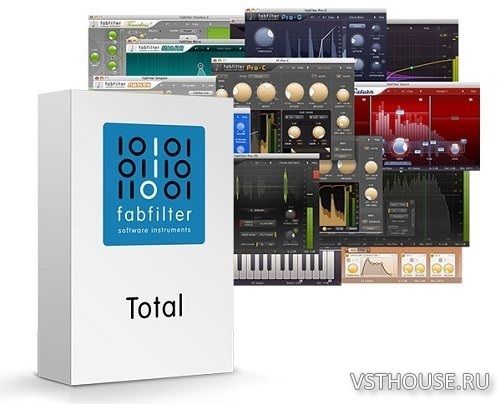
Total Bundle — это набор всех плагинов FabFilter.
Сведение и мастеринг | Просмотров: 97279 | Загрузок: 49614 | Добавил: Elaim | Дата: 20.05.2020 | Комментарии (38)
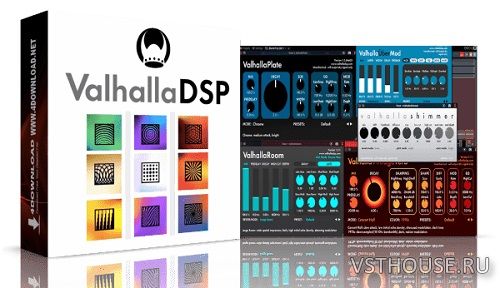
Мы делаем инструменты, которые помогут вам создавать музыку. Мы создаем плагины цифровой реверберации и аналоговой задержки для музыкантов, инженеров и других звукорежиссеров.
Сведение и мастеринг | Просмотров: 83628 | Загрузок: 46495 | Добавил: Elaim | Дата: 25.12.2020 | Комментарии (6)
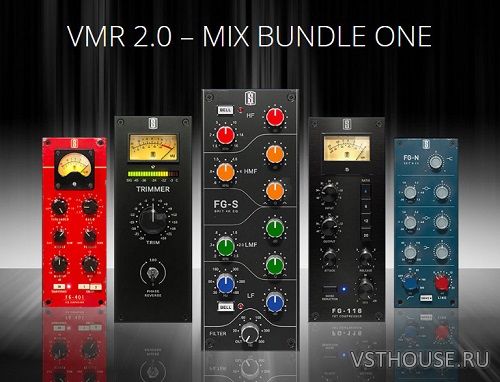
Микшерная полоса вашей мечты! VMR 2 позволяет звукорежиссерам легко создавать полосы каналов своей мечты, используя библиотеку, полную аналоговых модулей.
Сведение и мастеринг | Просмотров: 81613 | Загрузок: 43035 | Добавил: Elaim | Дата: 01.09.2021 | Комментарии (20)
Плагины Waves предназначены для мастеринга, сведения, компрессии, эквализации , эмуляции аналоговых приборов и измерителей

Сведение и мастеринг | Просмотров: 146480 | Загрузок: 40920 | Добавил: Elaim | Дата: 26.04.2017 | Комментарии (23)
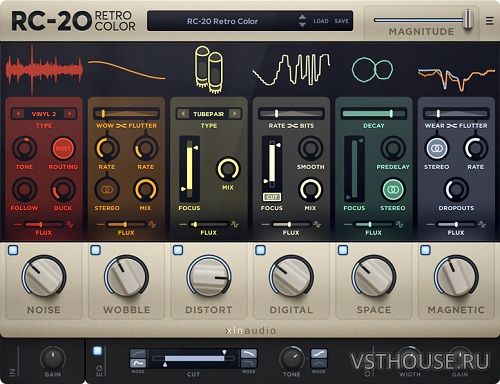
RC-20 Retro Color — это плагин для творческих эффектов, который добавляет жизни и текстуры любой записи.
Сведение и мастеринг | Просмотров: 73295 | Загрузок: 40552 | Добавил: Elaim | Дата: 05.04.2022 | Комментарии (31)
iZotope Ozone – полноценное и функциональное приложение, которое можно смело назвать полноценной системой для выполнения мастеринга.
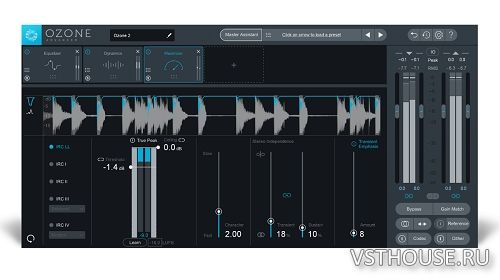
Сведение и мастеринг | Просмотров: 88485 | Загрузок: 37978 | Добавил: Elaim | Дата: 08.10.2017 | Комментарии (35)
Пять мощных эффектов Cableguys в одном плагине. Для современных миксов и бесконечного вдохновения.
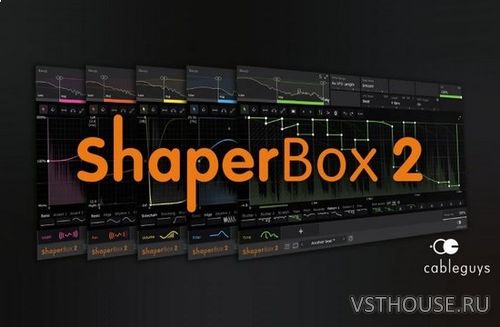
Сведение и мастеринг | Просмотров: 63198 | Загрузок: 37261 | Добавил: Elaim | Дата: 05.02.2020 | Комментарии (12)
Waves — ведущий мировой разработчик аудиоплагинов и сигнальных процессоров для аудиорынков профессиональной и бытовой электроники.
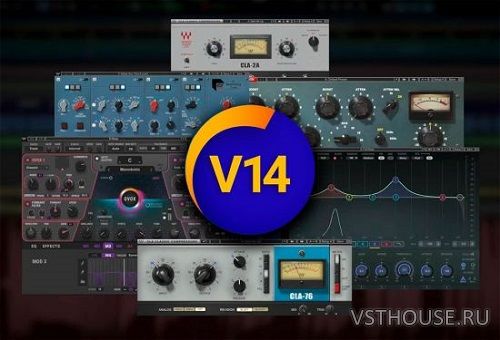
Сведение и мастеринг | Просмотров: 106770 | Загрузок: 36691 | Добавил: Elaim | Дата: 16.09.2022 | Комментарии (33)
Total Bundle — это набор всех плагинов FabFilter. С этим комплектом вы получаете наш профессиональный эквалайзер, ревербератор, компрессор, многополосную динамику и др

Сведение и мастеринг | Просмотров: 81572 | Загрузок: 36651 | Добавил: bdimos | Дата: 30.11.2018 | Комментарии (42)
Ресурсы
Математика — признанная царица наук — вовлечена практически во все исследования, известные человечеству. Ее применение будет обязательным повсюду, где требуется установить взаимосвязь между пространством, временем и мыслью. Не стала исключением из этого правила и музыка, представляющая собой вполне строгую шкалу высотных отношений, но в то же время обладающая чем-то неуловимым и недосягаемым для строгой абстрактной логики.
Как и явления природы, музыка — результат взаимодействия принципов физики и математики, поэтому с незапамятных времен эти науки идут «рука об руку» и подчас связаны друг с другом совершенно удивительным образом. В этом Вы убедитесь, прочитав данный сборник: здесь представлены наиболее интересные работы и статьи зарубежных ученых, посвященные исследованию взаимосвязей между музыкой и математикой. Книга написана на доступном языке и адресована широкому кругу читателей.
Математика в основе музыки
Веками люди изучали связи между математикой и музыкой. Но когда я начал писать эту книгу, то понял, как мало книг посвящено комплексно му исследованию ряда указанных связей. Можно бьmо найти монографии по тому или другому конкретному вопросу, а также множество журнальных статей. Однако было трудно обнаружить достойный уважения источник, в котором были бы воедино собраны самые важные темы, представленные в общих чертах широкой публике. К счастью, с недавних пор ситуация начала меняться.
Надеюсь, что эта работа поможет конструктивным изменениям. В первом разделе дается обзор содержимого последующих разделов. Здесь я лишь отмечу, что пытался соединить стандартные ключевые темы с менее известными. В частности, на первое место я выдвинул недавнюю работу о математике и музыке, которая может показаться новой даже для страстных любителей данной темы.
Потенциальный круг читателей любой междисциплинарной книги, по добной этой, охватывает широкое разнообразие профилей. Соответствен но, целью моей было предполагать наименьшее из возможного количество вашего опыта как в математике, так и в музыке. Данная работа частично возникла из моих лекций в рамках курса, причем предварительных условий для его прослушивания не было. По этой причине его приходили слушать студенты, начиная со старшекурсников математического отделения, которые получили музыкальное образование, и заканчивая теми студентами, которые лишь пробовали свои силы в математике и совсем не могли играть на музыкальном инструменте или читать ноты. В работе я не начинаю с нуля, как я делал на курсе, но я писал ее, подразумевая, что она будет интересна достаточно широкой читательской аудитории. С другой стороны, те, кто уже знаком с математикой и/или музыкой, должны тоже найти для себя немало новой информации. Несмотря на то, что работа напечата на университетским издательством, я писал ее не как учебник. Но тот, кто намерен взяться за преподавание курса по математике и музыке, доставляющее огромное удовольствие, конечно, мог бы использовать данную книгу в дополнение к самому курсу.
PDF Богатырев С.С. Обратимый контрапункт
- От SoundMain
- 12 Ноя 2021
- Гармония, теория, полифония, композиция
- 48 Скачивания
- 0 ratings
В книге затронуты в самой общей форме некоторые вопросы, связанные с обращением как приемом развития. Из этого краткого обзора можно сделать вывод, что обращение, потеряв в процессе исторического развития известную долю своего значения, продолжает быть в арсенале средств, которыми пользуется композиторская практика и теперь. Более обстоятельное исследование интонационного содержания мелодий в произведениях последнего столетия, по всей вероятности, показало бы, что обращение при формировании мелодии играет довольно существенную роль, большую, чем мы думаем. Задача книги, однако, не выяснение во всех деталях роли обращения в интонационном процессе, а установление закономерностей, наблюдающихся при сочетании нескольких обращенных мелодий. Эта вторая задача, более трудная, может быть разрешена (как мы увидим) самостоятельно, независимо от первой. Тем не менее мы считали нелишним, хотя бы поверхностно, осветить вопрос о значении обращения и месте его среди других приемов музыкального развития и этим показать, что после того, как уже создана общая теория вертикального и горизонтального контрапункта, разработка основ теории контрапункта обратимого также является своевременной и необходимой.
PDF Богатырев С.С. Двойной канон
- От SoundMain
- 12 Ноя 2021
- Гармония, теория, полифония, композиция
- 66 Скачивания
- 0 ratings
Книга посвящена разновидности канонической имитации, которая называется двойным каноном и на момент выхода в свет данного издания принадлежала к числу наименее разработанных отделов полифонической техники и оставалась неисследованной в учебной литературе. Между тем двойной канон может служить художественной выразительности не в меньшей степени, чем канон однотемный, в связи с чем при прохождении курса полифонии необходимо уделять двойному канону больше внимания. Всё излагаемое в работе представляет собой первый опыт пособия, которое бы восполняло этот пробел. При этом по своему содержанию она выходит далеко за рамки тех требований, какие устанавливает программа по полифонии, и может иметь значение самостоятельного исследования.
Предисловие
Та разновидность канонической имитации, которая называется двойным каноном, принадлежит к числу наименее разработанных отделов полифонической техники. Достаточно сказать, что С. И. Танеев в своем капитальном труде «Учение о каноне», где содержится исчерпывающее исследование всех вопросов, связанных с техникой канонической имитации, совершенно не уделяет внимания двойному канону. В «Подвижном контрапункте» при анализе горизонтальных перемещений он упоминает, правда лишь попутно, о простейших видах двойного канона и приводит пример из Палестрины. ‹Можно ли предположить, что С. И. Танеев не придавал значения этой форме канона и считал ненужным техническое овладение им? Конечно, нет.
Что разработкой вопроса о технике двойных канонов он занимался, можно видеть по его дневникам 1902 года, где 1 января он пишет «Сегодня начал главу двойных канонах». Не включил же в свое «Учение о каноне» раздел о двойных канонах С. И. Танеев сознательно, чтобы не расширять объема своей книги. В предисловии к «учению» мы читаем: «В настоящем сочинении мы не касаемся также тех канонов, которые имеют более одного главного, руководяшего голоса, как то: канона двойного, тройного и т. д. Хотя эти каноны также пишутся с помощью пройденных нами формул сложного контрапункта, но включение их в настоящее сочинение слишком бы раздвинуло его рамки. Каноны эти могут быть предметом отдельного исследования».
Закончил ли С. И. Танеев такое исследование, мы не знаем, но в его архиве безусловно должны быть материалы, относящиеся к вопросу двойных канонах.
Однако в 1939 году, когда была закончена настоящая работа, эти материалы еще не были обнаружены. В 1945 году В рукописных фондах Дома-музея П. И. Чайковского в Клину, только что возвращенного тогда из эвакуации, во время которой была произведена опись рукописей С. И. Танеева, хранившихся в музее, нашлось несколько листов, содержащих в себе сведения о простейших видах двойных канонов, но без разработки вопроса в техническом отношении с той исчерпывающей полнотой, какая свойственна работам С. И. Танеева.
В марте 1946 года музыковед В. А. Киселев сообщил мне, что в Центральном литературном архиве в Москве, где хранится большое количество рукописей С. И. Танеева, имеется его работа о двойных канонах. Действительно, там оказались две небольшие работы С. И. Танеева по интересующему нас вопросу.
Одна, переписанная набело, называется «О канонах с несколькими пропостами» и по содержанию приближается к рукописи, находящейся в клинском музее. Ее можно считать. вариантом клинской рукописи. Вторая, сохранившаяся в виде черновых записей, посвящена вопросу о том, как находить добавочные производные соединения, возникающие при сочинении канонов с несколькими пропостами.
Таким образом, систематического исследования С. И. Танеева о двойном каноне, охватывающего вопрос во всей его широте, в нашем распоряжении пока нет.
Краткие сведения о двойном каноне можно найти в «Учебнике контрапункта» Бусслера и в «Учении о композиции» А. Б. Маркса. Эти авторы приводят примеры двойных канонов, взятые из произведений мастеров строгого стиля, вскользь затрагивают вопрос о порядке вступления голосов и о связи канона с подвижным контрапунктом октавы. Однако эти све дения совершенно недостаточны для того, чтобы на основании их сделать обобщенные выводы о сущности двойного ка- нона и усвоить его технически. Поэтому учебным пособием они служить не могут. Беллерман в своем «Контрапункте» вовсе не упоминает о двойном каноне, точно так же, как и Э. Курт, который в «Основах линеарного контрапункта», как известно, совершенно не касается приемов интонационной техники, несмотря на то, что они играют существенную роль в произведениях Баха, исследованию которых, главным образом, и посвящена книга Э. Курта.
Таким образом, вопрос о двойном каноне остается до сих пор неисследованным в учебной литературе. А между тем, если владение техникой однотемного канона считается необходимым в практике сочинения, если, с другой стороны, нередко в основу произведения кладут две темы и эти две темы, прозвучав порознь, почти неизбежно вступают в процессе разработки в контакт между собой, что требует от композитора владения техникой сочетания тем, — какие основания для того, чтобы не пойти дальше и не применить здесь в целях дальнейшего развития прием канонической имитации двух тем одновременно? Таких оснований нет, так как двойной канон может служить целям художественной выразительности, но всяком случае, в неменьшей степени, чем канон однотемный.
Если это так, необходимо при прохождении курса полифонии уделять двойному канону больше внимания, чем уделяем мы теперь, и позаботиться о подготовке хотя бы небольшого пособия по двойному канону.
Все излагаемое ниже и представляет собой первый опыт такого пособия.
По своему содержанию оно, правда, далеко выходит за рамки тех требований, какие устанавливает программа по полифонии, и может. иметь значение как самостоятельное исследование, всецело базирующееся, правда, на тех выводах и обобщениях, какие сделаны С. И. Танеевым в его «Учении о каноне» с той разницей, однако, что здесь не преследуется цель придерживаться ограничений строгого стиля.
В ноябре 1939 года состоялось обсуждение этой работы на объединенном заседании кафедры теории Московской Государственной Консерватории проф. Л. А. Мазеля и Всесоюзной конференции по полифонии.
Приношу мою благодарность участникам этого совещания за те полезные соображения, какие были высказаны об этой работе во время ее обсуждения.
Эти соображения учтены мною при подготовке работы к печати в 1940 году.
Раздел о пятии шестиголосных двойных канонах написан позднее, в январе 1946 года.
Примеры без указания имени автора написаны мною.
Апрель 1946 г. С. Богатырев
Klanghelm IVGI Saturation And Distortion v2.3.0 x64 x86 VST AU AAX WiN MAC
- От SoundMain
- 11 Ноя 2021
- Saturator
- 18 Скачивания
- 0 ratings
Сатурация и Дисторшн
IVGI может обеспечить очень мягкое и тонкое насыщение, которое чувствует себя как дома на главной шине. Он одинаково способен на очень плотный и грязный эффекты искажения, чтобы оживить отдельные дорожки.
Базовый звук IVGI сопоставим с режимом DESK в SDRR старшего брата.
Так же, как SDRR, IVGI динамически реагирует на входной сигнал. Даже смоделированные колебания реагируют динамически, а также меняются в зависимости от настроек и выигрывают от смоделированного поведения перекрестных помех.
Как и его старший брат SDRR, IVGI имеет контролируемую случайность, которая определяет внутренний дрейф и дисперсию внутри устройства. Это способствует живости и реальности насыщенного характера IVGI. Для достижения этой цели все внутренние процессы в некоторой степени модулируются.
IVGI дает вам разумное количество элементов управления для манипулирования характером самой насыщенности. Он предлагает уникальную ручку ASYM MIX для изменения симметрии сигнала, не влияя на гармоническое содержание.
IVGI также позволяет изменять частотную зависимость сатурации с помощью элемента управления RESPONSE.
IVGI внутренне откалиброван до 0VU = -18dBFS
IVGI бесплатен! Так что попробуйте сами.
PDF Neil Young on Neil Young: Interviews and Encounters (Musicians in Their Own Words)
- От SoundMain
- 11 Ноя 2021
- Book about sound in english
- 6 Скачивания
- 0 ratings
The life of rock’s most durable troubadour in his own words
Neil Young on Neil Young: Interviews and Encounters is a revealing anthology of Young’s most significant, fascinating, and entertaining discussions, declarations, and dreams, chronicling fifty years of conversations, feature stories, and press conferences.
With many interviews widely available for the first time—including new transcriptions and first-time translations into English—the book spans Young’s words and ideas from 1967 onward: his early days with Buffalo Springfield and 1970s Harvest-fueled celebrity apex, an artistic rebellion and 1980s commercial dip, and the unexpected 1990s revival as the Godfather of Grunge through to his multi-decade victory lap as a living legend.
Across the decades, Young’s own words tell the story as he perpetually reinvents himself as a master of music and film, a technology pioneer and innovator, and a bold political observer and strident environmental advocate.
Although Chrome Dreams II’s centerpiece, “Ordinary People,” begins with an evocation of Fred Zinnemann’s 1952 Western classic High Noon, it’s a quote from a decade later in John Ford’s The Man Who Shot Liberty Valance that better captures the essence of Neil Young: “When the legend becomes fact, print the legend.” This quote applies not only to the musical stories Young tells, which often traffic in the magical transition between dull fact and golden myth—a point alluded to on 2012’s Americana/Alchemy tour with Crazy Horse—but also in the stories we tell about him.
Perhaps the biggest legend perpetuated about Young is that he doesn’t talk to the press, that he’s a hippie hermit in a hair shirt who barely opens his mouth. As recently as 2018, a major publication promoted a “rare interview” with Young. This “rare” interview was published during a week in which more than half-dozen other publications offered their own “rare” interviews. Print the legend.
What seems true is that Young doesn’t like talking to the press. Unless, that is, he has something he really wants to promote, such as Pono, or LincVolt, or his Archives, or his view on Canadian tar sands, or his latest (don’t call it a) comeback. It’s then that his chat amp goes to eleven. At these times he can be quite generous and, increasingly with age, quite personable.
To be fair, interviews were rarer during the first decade of Young’s career. But, after an initial flourish of minor interviews, he pulled away, suffering shell shock from both his “sudden” fame with CSNY and Harvest and the typical recreational pitfalls of rock-star celebrity. Over the second decade he built back slowly and, after 1985 and Old Ways, it was rare for much time to pass when he wasn’t regularly meeting with the press, always available to promote his new creative project. And to answer the same questions—about Buffalo Springfield and Crosby, Stills, Nash & Young reunions, about Trans, about supporting Reagan, about cerebral palsy, about the Archives, about audio technology—over and over again (to coin a phrase).
But this seeming contradiction is part of what makes telling the Neil Young story so difficult—or rather, so much fun: he’s a study in opposites. He is the infrequent interviewee who can’t stop talking to reporters. He’s the sensitive acoustic guy who can make your ears bleed. He’s the counterculture hero who supported Reagan. He’s the leave-the-bad-notes-in guy who’ll talk your ear off about digital audio bitrates. He’s the ordinary dude you’d smoke weed with who dated Hollywood actresses. Back and forth: he is the ocean.
Another legend we tell about Young concerns his fierce individualism. While there is no denying he has always pretty much done what he’s wanted, and you’d be hard pressed to say he’s not his own person, he doesn’t always do what he does on his own. He’s not only The Loner, but also The Leaner, resting against a vibrant network of creative support. From the Mynah Birds to Buffalo Springfield to Crosby, Stills & Nash and countless backing bands, including the Stray Gators, Promise of the Real, and, of course, Crazy Horse, Young has more often than not relied on other musicians to help make his music. And this spreads beyond guys with instruments (let’s face it, he mainly works with guys) to other collaborators, such as producer David Briggs, manager Elliot Roberts, engineer John Hanlon, and directors Jim Jarmusch and Jonathan Demme. And, in this volume, cointerviews with R.E.M.’s Peter Buck and producer Daniel Lanois. Another contradiction.
That being said, this volume avoids group interviews: too little Neil Young is covered in too many words. This is particularly true of CSNY interviews, which are their own beast and well collected in Dave Zimmer’s 4 Way Street reader. Likewise, while Rolling Stone was a major early Young supporter, the magazine’s 1994 compendium ably covers that material.
But this is about all the sense I want to make of Neil Young in this introduction. The point is to let Young’s own words tell his story. To that end, the chronological chapters—culled from press conferences, magazines, radio appearances, and online interviews, from sources famed, fleeting, and forgotten—were selected with an eye toward both telling the overall Neil Young story and illuminating key events, ideally with little repetition from chapter to chapter (although some creeps in—sorry). Each chapter includes a brief contextualizing introduction, especially important at times when there’s a big gap between years. Let’s roll: here we are in the years.
PDF An Encyclopedia of the Violin
- От SoundMain
- 11 Ноя 2021
- Instruments
- 50 Скачивания
- 0 ratings
INTRODUCTION
Alberto Bachmann’s first contribution to the literature of music was a work biographical and æsthetic in character: in it the lives of virtuosos, ancient and modern, were portrayed and their works analyzed. This volume, interesting from every point of view, clearly established the varying degrees of talent or genius of all the virtuoso composers from the 16th century to the present day. It was the more valuable since the author was an excellent artist himself, and consequently thoroughly at home in the subjects he discussed.
Having completed this work, in which the conclusions are well reached, and in which the critical comment is both intelligent and respectful, Mr. Bachmann did not feel, however, that he had exhausted his subject, for in this new book, whose sponsor I consider it an honor to be, the author has undertaken one of the most arduous tasks imaginable, that of presenting the violin and the art of violin playing from every possible angle, in a thoroughly exhaustive manner.
In the archives of literature relating to the violin, there would seem to be a gap which this new work will fill. Artists and amateurs alike will find it a kind of universal encyclopedia of the art of the violin, and the scope of the volume itself makes clear how vast this art-field really is, with its diverse elements and its abundance of forms and formulas. I feel that I do not prophesy too freely in predicting that it will meet with a cordial reception.
To write of the violin in a general way is an easy enough matter; to analyze, point by point, detail by detail, all the elements which constitute the virtuoso’s art, is a far greater task. Only an author who knows the instrument perfectly can successfully undertake it.
The violin has its secrets: it has at one and the same time a soul and a mind. It is a poet whose enigmatic nature may only be divined by the elect. It is an instrument whose voice, since first it came into being, has stirred the heart-strings of the human race; and the lofty raptures which it has called forth have done their part, with other branches of the art of music, to raise the soul of man to the highest summits of the ideal.
This volume, in reality, needs no recommendation to the violinist who has once opened its covers, for its value will immediately become apparent, awakening interest which will increase with the turning of every page.
I heartily felicitate the author and remain his admirer.
AUTHOR’S PREFACE
While literature relating to the violin has been far from meager, there has never been projected, within the knowledge of the author, an encyclopedia covering adequately the matters of historical, mechanical, technical, critical and biographical importance which have profound interest for teachers, students and lovers of the “King of Instruments.”
In endeavoring to produce such a comprehensive work in my Encyclopedia of the Violin, I have based my labors on personal experience, and upon that of the numerous famous violinists with whom I have lived on a footing of friendship and intimacy ; while in transcribing my thoughts I have been careful to bear in mind that clearness and exactness are essential, in view of the marked difference between “feeling” and “expression” in the elucidation of æsthetic matters.
Were a work of this character to attempt to cover at length all the numerous subjects of vital interest, it would of necessity become a publication of many volumes. I have deemed it wiser to treat each topic with clarity and brevity, rather than exhaustively from the scholastic point of view, thus rendering it possible to produce the work in a single volume.
A certain degree of systematic procedure has been adopted in the construction of the work, beginning with important matters such as the origin of the violin, its mechanical construction and famous makers. An at least elementary knowledge of these subjects is essential in the intelligent study of the instrument, thereby laying a foundation for clearer understanding of essays upon technical and æsthetic matters which follow.
It would consume many pages of the book were I to attempt to enumerate by name all those broadminded and kindly disposed virtuosos, pedagogues and scientific authorities on the violin who have encouraged me in the preparation of the manuscript and have aided with wise counsel and experience. I thank them one and all, and in particular my former teacher and life-long friend, Eugène Ysaÿe, who so whole-heartedly sponsors the work. May it be known to all those who derive instruction and pleasurable reading from this book that it was the constant encouragement and enthusiastic faith of this great artist which enabled me to labor unceasingly for many years toward its completion.
EDITOR’S PREFACE
The preparation of M. Bachmann’s Encyclopedia of the Violin from the practical and commercial standpoint has been a source of great pleasure to the editor, due to the fact that not only has the author covered the entire field thoroughly, but the translator, Mr. Frederick H. Martens, has aided greatly by his lucid translation of the work.
Acknowledgment is also gratefully made to Mr. Jay C. Freeman and Mr. Franz Kneisel for the valuable advice and assistance rendered in the preparation of the volume; to Mr. Felix Kahn and Mr. Maurice Sternberger for the use of reference books and pictures; to Mr. Howard Semple for assistance in the art work and to J. H. Armour and Company, John Friedrich and Brother, August Gemunder and Sons and the Eudolph Wurlitzer Company for information and photographs utilized in articles devoted to manufacturing or mechanical processes.
The plan of the work is to include in a single volume concise and accurate information on every subject connected with the violin. Its fulfillment will be a source of great satisfaction to the publishers.
PDF Film Music (Classic FM Handy Guides)
- От SoundMain
- 11 Ноя 2021
- Book about sound in english
- 16 Скачивания
- 0 ratings
Film music is an increasingly popular part of the classical music repertoire, with a huge range of beautiful, dramatic and well-loved film scores coming out of Hollywood, from Star Wars to Up. From the early days of silent cinema through Hollywood’s Golden Age and up to the modern-day blockbusters, this handy reference guide from Classic FM showcases some of the greatest composers of film scores, along with plenty of suggestions for musical delights ready to be discovered. Classical music plays a key role in film soundtracks, creating iconic moments and bringing classic tracks to a wide audience, from 2001: A Space Odyssey to Apocalypse Now. Packed full of essential information, this pocket-sized handbook explores the history of film music, the development of different styles, award-winning composers and the most popular pieces within the genre. Classic FM’s Handy Guides are a fun and informative set of introductions to standout subjects within classical music, each of which can be read and digested in one sitting: a perfect collectible series whether you’re new to the world of classical music or an aficionado.
Introduction
At Classic FM, we spend a lot of our time dreaming up wonderful ways of making sure that as many people as possible across the UK have the opportunity to listen to classical music. As the nation’s biggest classical music radio station, we feel that we have a responsibility to share the world’s greatest music as widely as we can.
Over the years, we have written a variety of classical music books in all sorts of shapes and sizes. But we have never put together a series of books quite like this.
This set of books covers a whole range of aspects of classical music. They are all written in Classic FM’s friendly, accessible style and you can rest assured that they are packed full of facts about classical music. Read separately, each book gives you a handy snapshot of a particular subject area. Added together, the series combines to oer a more detailed insight into the full story of classical music. Along the way, we shall be paying particular attention to some of the key composers whose music we play most often on the radio station, as well as examining many of classical music’s subgenres.
These books are relatively small in size, so they are not going to be encyclopedic in their level of detail; there are other books out there that do that much better than we could ever hope to. Instead, they are intended to be enjoyable introductory guides that will be particularly useful to listeners who are beginning their voyage of discovery through the rich and exciting world of classical music. Drawing on the research we have undertaken for many of our previous Classic FM books, they concentrate on information rather than theory because we want to make this series of books attractive and inviting to readers who are not necessarily familiar with the more complex aspects of musicology.
For more information on this series, take a look at our website: www.ClassicFM.com/handyguides.
If you’ve just picked this book up in a shop – or even already bought it – you’ve probably realised by now that we’re on a journey to nd out more about lm music.
Since Classic FM’s launch in 1992, we have always enjoyed making links between classical music and the movies. The rst contact many of us had with the great classics – barring television commercials for Hovis or Nescafé – was when Mickey Mouse struggled to tame his wayward brooms in Fantasia’s ‘The Sorcerer’s Apprentice’ sequence.
Or perhaps your rst encounter with the music of Richard Wagner took place while his Ride of the Valkyries boomed out of Chinook helicopters thundering over Vietnam in Apocalypse Now?
With the invention of motion pictures, it was only to be expected that music would play a major role in accompanying the telling of stories on screen. Film was the natural evolution of the kind of storytelling for the masses pioneered by the great composers, through their operas, incidental music for theatre, and songs.
Over the past hundred years, while so-called ‘serious’ composers often shunned melody, beauty and harmony in their music, lm composers created some of the most melodic, dramatic and inspirational orchestral music ever written. All of them were equally serious about their craft, many of them classically trained and trying to earn a living while often continuing to write for the concert hall. Many classical composers, beginning with Camille Saint-Saëns and coming up to date with Philip Glass, have created music for the big screen. Indeed it is entirely plausible to think that had Beethoven or Mozart been living in our time they would have enthusiastically embraced composing for the cinema, as they did for the theatre in their own day, and would probably be scoring video games as well, a genre in which a number of today’s most successful lm composers have cut their teeth.
Classic FM proudly showcases lm music every day in its shows, specically Saturday Night at the Movies every weekend, featuring the greatest scores, exciting new releases and the world’s favourite classical pieces as heard in the movies.
For a genre that is just one century old, it is remarkable that so many lm themes have rapidly become loved the world over, with a life of their own outside the cinema – in the concert hall and on albums. The majority of music lovers would not hesitate to call the themes to Schindler’s List or Lawrence of Arabia classics.
So we shall make no apology to the classical purists for giving lm music the credit and exposure it deserves. It not only contributes to a great experience at the cinema – boosting the excitement and enhancing emotions – but also opens the world of great orchestral and choral music to the biggest imaginable audience.
PDF Бершадская Т. С. Лекции по гармонии
- От SoundMain
- 11 Ноя 2021
- Гармония, теория, полифония, композиция
- 852 Скачивания
- 0 ratings
Предисловие к первому изданию
Предлагаемая работа представляет собой запись курса лекций по гармонии, читаемого автором в Ленинградской ордена Ленина государственной консерватории. «Лекции» обращены к студентам — композиторам н музыковедам, имеющим теоретическую и практическую подготовку в объеме музыковедческого отделения музыкального училища.
Работа делится на две части. Первая часть посвящена изложению теоретических проблем гармонии, вторая содержит краткий обзор основных этапов эволюции гармонического мышления.
Жанр настоящей книги, отличающейся по своей направленности от пособия типа учебника, обусловнл ряд особенностей изложения. В частности автор ие стремился к одинаково подробному рассмотрению всех проблем, встающих в курсе гармонни. Вопросы, достаточно разработанны в уже изданных пособиях или получившие в отдельных исследованиях освещение, с которым автор «Лекций» полностью согласен, изложены кратко, порой даже конспективно, тезисно, с соответственными ссылкамн на источники. Напротив, темы, недостаточно раскрытые в литературе или получающие в данной работе толкование, расходящееся с традиционным, изложены наиболее подробно.
Исходя из основной установки вузовского обучения — воспитывать самостоятельность мышления студента, развивать его пытливость_ и умение аргументированно отстаивать свою точку зрения,— автор «Лекций» не стремился к изложению только апробированных н общепризнанных истин. Не отказываясь от традиционных положений ин формулировок в тех случаях, когда они представляются верными и не входящими в противоречие с живой музыкальной практикой, автор в то же время не чуждается высказывания и гипотетических, подчас дискусснонных положений (разумеется, эта дискуссионность в каждом случае специально оговаривается). Отталкиваясь от существующих трудов по проблемам гармонии, автор предлагает свое понимание музыкального склада, гармонии, лада нт п, но излагает свою точку зрения в полемике с другими взглядами, аргументируя возникающие критические соображения. К такому же методу «рождения истины в споре» автор считает целесообразным приучать и студентов.
В своих теоретических установках автор основывается на учении Ю. Н. Тюлина (проблемы гармонин) и С. Кушнарева (проблемы лада). В определьйии лада как категории, отличной от тональности, отправной точкой служит концепция Б. Л. Яворского. В построении курса автор опирается на план, созданный Н. Г. Привано. В раскрытни некоторых тем нспользуются отдельные положения советских и зарубежных теоретиков Л. А. Мазеля, Ю. Н. Холопова, С. С. Скребкова, Э. Курта, П. Хиндемита, А. Шёнберга, О. Мессизна и др. (см. библиографический перечень).
Автор приносит глубокую благодарность всем товарищам по кафедре, ценные замечания и критические соображения которых помогли ему в работе.
Предисловие ко второму изданию
Во втором издании исходные теоретические установки кннги остались без изменений. В то же время в текст внесены дополнения и некоторые изменения.
В 1 части в отделе А более широко раскрыто понятие музыкальной ткани, детальнее изложен параграф о монодии, добавлены суждения о гетерофонии в профессиональной музыке, несколько упрошена классификация петерцовой аккордики. В отделе Б полнее изложены вопросы о предпосылках ладового чувства и о параллелях с синтаксическими законами речи, больше подчеркнута роль звукоряда как элемента ладовой системы, выделен в самостоятельный параграф вопросе об элементах лада, шире поставлена проблема соотношений дкатоники и хроматики. В отделе В дополнен раздел о ладовой модулянии, приведены и проанализированы прнмеры на модуляцию не только наклонения, но и всей системы в целом. В отделе Г добавлен параграф о полиладовости. Во 2 части несколько расширена тема 1, более детально рассмотрен вопрос о формообразующий роли гармончии в после бетховенскую эпоху, внесены дополнения в тему 5.
Сделанные дополнения повлекли за собой некоторые изменения в положении ради большей его последовательности.
В настоящем изданин уточнены некоторые формулировки — определения лада, аккорда н др. По возможности учтена появившаяся после первого издания книги литература. Введены новые нотные примеры.
Работа над вторым изданием проводилась с учетом замечаний и пожеланий, содержащихся в письменных и устных отзывах на книгу. Автор выражает глубокую признательность рецензенту Н. С. Гуляинцкой, а также всем отозвавшимся на появление книги в печати. Сердечные слова благодарности автор обращает редактору книги А. В. Вульфсону за творческую помощь в работе над обоими изданиями книги.
PDF Бершадская Т. С. Статьи разных лет
- От SoundMain
- 11 Ноя 2021
- Гармония, теория, полифония, композиция
- 36 Скачивания
- 0 ratings
Автор книги — Заслуженный деятель искусств России, доктор искусствоведения, профессор кафедры теории музыки Санкт-Петербургской государственной консерватории, заведующая секцией гармонии, известный ученый, труды которого охватывают широкий спектр вопросов теоретического музыкознания. В настоящее издание вошли статьи разных лет, в ретроспективном соседстве демонстрирующие читателю стройность, единство и соподчиненность научных установок автора. Сборник включает статьи по проблемам теории музыки, лада и гармонии, работы по фольклору. Впервые публикуются исследование об аналогиях вербального языка и языка музыкального. Отдельный раздел сборника составляют воспоминания автора.
Книга адресована музыковедам и музыкантам-профессионалам, интересующимся вопросами теоретического осмысления музыкального искусства.
В предлагаемом читателю издании собраны статьи, написанные мною за почти полувековую научную деятельность. Самая «старшая» из них — «О многоголосии русской народной песни», опубликованная в 1959 году, написана еще раньше, «по мотивам» диссертации, защищенной в 1954 году. Самая «младшая» — «О некоторых аналогиях в структурах языка вербального и языка музыкального» — закончена несколько месяцев назад. Отваживаясь на их публикацию в близком соседстве, я вполне отдаю себе отчет в том, что прошедшие десятилетия не могли не отразиться на терминологии, а порой, в деталях, и самой концепции, сложившейся в том виде, который на сегодняшний день я могу считать для себя окончательным, лишь к концу 70-х — началу 80-х годов. Некоторые (особенно самые ранние) грешат категоричностью суждений, прямолинейностью выводов.
Тем не менее, пересмотрев все, мною написанное, я не без удовлетворения могу отметить, что некоторые принципиальные установки моих научных положений проступали уже в самых первых опусах, и, пусть окончательно терминологически не оформленные, явно намечали путь к концепции «Лекций по гармонии» (Л., 1978; Л., 1985) и более поздней работы «Гармония как элемент музыкальной системы» (СПб., 1997). Эти установки можно обобщить, обозначив как стремление:
1) к выверенности классификационных признаков, четкости установления аспектов, рядов, уровней;
2) к первичности функции перед структурными признаками в определении сущности явлений;
3) как следствие первого и второго пунктов — к четкости, непротиворечивости терминологии.
Поскольку статьи печатались в разное время и в разных изданиях, в них могут встретиться «повторы на расстоянии», а также некоторые изменения терминологии, о самых существенных из которых следует сказать более подробно. Таких изменений два.
1. Лады, в ранних работах обозначенные как мелодические, вдальнейшем получают название монодических. Такой термин, родившийся в результате долгих размышлений, представляется более адекватным сущности этих особых систем, ибо мелодия — категория более широкая и более общая, чем монодия. Специфичность же рассматриваемых систем заключается впринципиально одноголосной природе породившего их музыкального текста, в котором тоны предстают как самозначащие, не подразумевающие аккордово-гармонического подтекста единицы.
2. Мажорно-минорная система как самостоятельный термин, не совпадающий с термином более привычным — «мажоро-минорная система». Это разделение, предложенное Ю. Н. Холоповым и принятое мною в более поздних работах, представляется оправданным и удобным и призвано различать частно-конкретный случай объединения одноименных и параллельных ладов при единой тонике (мажоро-минор) от определения всей классической ладогармонической системы как некоего общего функционального принципа ладовой организации (мажорно- минорная система).
Автор горячо благодарит своих учеников, содействовавших выходу книги в свет: Е.Л. Александрову, Л. Ю. Гуральника, А. В. Денисова, О. В. Рудневу, Е. В. Титовуи Д. В. Шутко.
PDF Бершадская Т. С. Теория музыки
- От SoundMain
- 11 Ноя 2021
- Гармония, теория, полифония, композиция
- 1802 Скачивания
- 0 ratings
«Теория музыки» — этот курс раньше традиционно назывался «Элементарной теорией музыки» — один из важнейших базовых курсов музыкального образования. Основы знаний, полученные здесь, применяются далее взанятиях сольфеджио, гармонией, полифонией, в анализе строения музыкальных произведений.
По данному учебнику теории музыки занимались многие поколения студентов. Выходил он под общей редакцией А.Л.Островского в 1978, 1984 и 1988 годах. Новое издание учебника активно переработано и приведено в соответствие с современными теоретическими представлениями, расширено и дополнено. В частности, появилась новая глава о музыкальном синтаксисе.
Эта книга послужит музыканту много лет — не только как собственно учебник по теории музыки, нои в качестве справочника (перед зачетом или экзаменом бывает полезно обновить подзабытое). Музыкант же, получивший образование много лет назад, сможет, пользуясь этой книгой, вкратце познакомиться ссовременными подходами ко многим проблемам — чтобы говорить на одном языке со своими учениками.
Предисловие
Предлагаемый учебник охватывает тот раздел науки о музыке, который в практике обучения традиционно назывался «элементарной теорией». Однако определение «элементарная теория» было изъято уже из учебника ленинградских авторов «Курс теории музыки» под общей редакцией А. Л. Островского, выдержавшего три издания — в 1978, 1984, 1988 годах и во многом послужившего отправной точкой для этой работы; книгу «Теория музыки» можно считать активно переработанным, расширенным и дополненным его переизданием, тем более что авторский коллектив в основном сохранился.
Для отказа от наименования «элементарная теория музыки» есть достаточные основания. Во-первых, к изучению настоящего курса учащийся может приступить, только имея некоторую предварительную подготовку — владение музыкальной грамотой и простейшим опытом исполнения произведений хотя бы начальной трудности на каком-либо инструменте. Во-вторых, предлагаемая работа вносит существенные коррективы как в теоретическое раскрытие ряда тем, так и в привычный установившийся жанр учебника (тем самым и в практику преподавания теории музыки впрофессиональной музыкальной школе). Сообщаемые в ней теоретические сведения излагаются не в декларативном стиле, общепринятом для учебников, а с апелляцией к слушательскому восприятию, с предложением анализа психологического воздействия изучаемых законов и средств музыкальной выразительности.
В учебнике «Теория музыки» учтены положения, появившиеся в теоретических исследованиях последних лет. Так, например, в главе «Ритм» раскрываются понятия регулярной инерегулярной акцентности, строгой метрики, в учебниках сходного уровня обычно не упоминающиеся. В главе «Аккорд» авторы отходят от традиционной формулировки («созвучие, тоны которого можно расположить по терциям») и предлагают утвердившееся в современных теоретических исследованиях определение аккорда: комплекс тонов, функционирующий как единое конструктивное целое. По-новому представлена тема «Лад», в которой не только вводятся новые понятия (монодический лад, опорность и неопорность ит. д.), но и применяется принципиально новый порядок изложения: глава начинается общими сведениями о ладе как системе и ее элементах, далее рассматриваются монодические лады и только в заключительных параграфах — мажор и минор. В учебник введены краткие сведения о музыкальном синтаксисе, его простейших струтурах и о важнейших функциях музыкального формообразования.
Общая установка учебника в освещении законов музыкальной системы и в определении основных понятий исходит из функционального принципа. Именно такой установкой и объясняется «неинтервальное» определение аккорда, нетрадиционное раскрытие соотношения диатоники и хроматики, хроматизма и альтерации и многое другое.
Музыка как искусство. Теория музыки
Содержанием искусства, как и всякой деятельности человеческого сознания, является жизнь, окружающая нас действительность, прежде всего человек, его мысли и чувства.
Отличие искусства от других видов человеческой деятельности состоит в том, что оно осваивает действительность через создание художественных образов: искусство как бы заново воссоздает мир в форме, непосредственно воздействующей на чувства и мысли людей. Художник, однако, не копирует жизнь, не фотографирует случайно выхваченные из окружающей действительности предметы, явления, события, но отбирает наиболее общее, типичное, характерное, все это осмысливает, преобразует, а затем воплощает в конкретном произведении — картине, стихотворении, музыке. Произведения всякого талантливого художника обязательно несут печать его личности, ибо внешний объективный материал перерабатывастся его сознанием индивидуально. Вместе стем, даже самое оригинальное творчество является одновременно продуктом общественного сознания, связано сопределенной социальной психологией, с конкретной страной, с тем или иным историческим моментом. Социальная сторона художественного творчества проявляется и в том, что через художественный образ человек ощущает свою связь с современниками и с прошлым своего народа и человечества в целом. Подлинное искусство, создавая вечные художественные ценности, осуществляет непрерывную связь поколений.
Произведение искусства, таким образом, представляет собой и картину жизни, и картину творчества. Нас интересует не только что из действительности в нем преобразовано, но и как, и кем это выполнено. В произведении архитектуры, театра, в картине, скульптуре, стихотворении, симфонии мы не только ищем соответствия отраженному в них событию, факту, явлению, но хотим также обнаружить индивидуальные признаки стиля и эмоциональный отклика автора на событие, его «приговор» явлению. Нас интересует и волнует также процесс самообновления личности художника, неповторимость образного освоения им действительности.
Разные стороны жизни не в равной мере подвластны различным видам искусства. Каждый вид искусства отличается от других специфичностью образного содержания и принципами, способами формообразования.
Что же представляет собой музыка? В чем могущество ее воздействия на слушателя?
Особенностью музыки как вида искусства является ее звуковыразительная, интонационная природа. Интонация свойственна также и нашей речи. Понижение и повышение голоса, усиление или ослабление громкости, ускорение или замедление темпа, прерывистость речи или ее плавность подчеркивают эмоционально-смысловой подтекст, уточняют понятийное значение слов. По интонации можно судить об отношении говорящего к произносимым им словам: интонация может быть нежная и суровая, мягкая и ласковая или резкая и обидная. И все же главный смысл в речи передается словами.
В музыке интонация сама по себе непосредственно и исчертывающе передает всю полноту эмоционального состояния. Музыкальная интонация, средства музыкального языка, временная природа музыки позволяют ей с особенной глубиной, тонкостью, проникновенностью воссоздавать динамику человеческих переживаний, душевные движения людей, сэмоциональной непосредственностью воздействовать на слушателей, перенося в их сознание думы и эмоции Энергия и значимость музыкальной интонации обусловливает высокой степенью организованности музыкальных звуков в их высотных и временных отношениях, богатством тембровых и динамических ресурсов, музыкального искусства, своеобразными принципами ны мообразования, выработанными в процессе исторического развития.
Музыкальная интонация (особенно в вокальной музыке) тесно связана с речью; в строе музыкальных интонаций каждого народа можно услышать много общего с интонационным строем его речи. Звучание эмоционально окрашенной речи является одним из основных источников музыки. Кроме того, музыка может черпать свой материал из других «звучащих сфер» окружающей жизни — звуков природы, даже городских шумов. Но в истинно художественной музыке звукоподражания носят условный, не «буквальный» характер и в арсенал выразительных средств входят лишь как попутный подчиненный элемент.
Пение природным голосом (2021)
- От SoundMain
- 10 Ноя 2021
- Курсы по вокалу
- 2 Скачивания
- 0 ratings
Онлайн-курс «Пение природным голосом» — это пошаговая программа развития музыкального слуха и голоса, которая поможет вам научиться петь с нуля.
Последовательно выполняя упражнения, вы раскрываете свои музыкальные способности, лучше попадаете в ноты и ритм, проще запоминаете новые мелодии! Расширяется диапазон вашего голоса. Вам становится легче петь песни, которые раньше казались сложными.
Почему вы научитесь петь?
Потому что каждый человек может петь, если он этого хочет.
И каждый человек, даже самый лучший вокалист, может петь еще лучше, чем он это делает сейчас.
Великий певец Федор Шаляпин в конце жизни сказал: «Кажется, я научился петь, мне бы еще одну жизнь, попеть вдоволь»! При этом, в юности, Шаляпина даже не взяли в хор, потому что он фальшивил.
Чтобы научиться петь с нуля или петь еще лучше, мы действуем по следующим направлениям:
- Учимся слышать и озвучивать ноты как музыкальный инструмент (пение в ладу)
- Учимся чувствовать разнообразие ритмов и пульсацию (пение во времени)
- Учимся музыкальной фразировке (пение от сердца)
- Учимся осмысленному отношению к слову (разум)
- Учимся создавать образы в своем воображении во время пения
- Расширяем диапазон
- Настраиваем дыхание для пения
- Раскрываем тембральные краски голоса
Кирилл Плешаков-Качалин
— руководитель «Школы природного голоса»
PDF A Shostakovich Casebook (Russian Music Studies)
- От SoundMain
- 10 Ноя 2021
- Book about sound in english
- 31 Скачивания
- 0 ratings
«The book . . . includes . . . valuable essays and interviews, which move beyond the scholarly controversy to sketch a nuanced picture of Shostakovich’s life under a totalitarian regime. . . . The ‘Casebook’ contributors compellingly warn of replacing one mask with another, one black-and-white myth with its simple inversion.» ―New York Times
«. . . an important and readable collection. . . . It presents a devastating critique of Volkov’s claims and scholarly practices in Testimony.» ―New York Review of Books
A Shostakovich Casebook brings together 25 essays, interviews, newspaper articles, and reviews―many newly available since the collapse of the Soviet Union―to create a volume of essential reading and cutting-edge scholarship in Russian music studies. The contributors include Malcolm H. Brown, Laurel Fay, Irina Antonovna Shostakovich, and Richard Taruskin.
Acknowledgments
I acknowledge first of all the contributors whose scholarship made this volume possible. The reprinted works included here have been reviewed and corrected by their authors, and I very much appreciate the time this entailed.
My sincere gratitude to Levon Hakobian, Ludmila Kovnatskaya, and Sergei Lebedev for helping make contact with a number of the Russian contributors, as well as for providing critical service as authoritative informants about a variety of issues that arose in the process of putting the volume together.
Caryl Emerson read through the entire collection with an expert, discerning eye and shared comments and advice. Her professional generosity has much improved the finished book. She also called my attention to Pushkin’s wonderfully ascerbic characterization of memoirs and confessions, which serves as a most appropriate epigraph for the volume.
I am much indebted to my darling and talented daughter, Jeannette, for the original drawing of Shostakovich that appears as the frontispiece of the Casebook, and to her husband, my gifted son-in-law, Paul Smedberg, who made an original computer painting from the drawing, which appears on the dust jacket.
In addition to writing the centerpiece article of the Casebook, “Volkov’s Testimony Reconsidered” (chapter 2), Laurel Fay kindly provided translations for a number of the Russian-language articles and essays (identified in the notes to individual pieces) and, certainly as important, encouraged and supported the editor throughout the conception and realization of the project. Without her, it simply could not have happened.
My most cordial thanks to everyone!
Malcolm Hamrick Brown Bloomington, January 2003
Notes on Transliteration and on Translation
Although the Library of Congress (LC) system of transliteration has generally been followed here (without the superscript arcs above the letters for those Cyrillic characters rendered by more than a single Latin character in the strict LC system), exceptions have been made in the case of Russian personal names, as well as the occasional other Russian proper name or title. These exceptions have been transliterated in a more “pronunciation friendly” style. The guiding principle was to find a spelling that would suggest to English speakers a pronunciation that would be recognizable to a Russian speaker. These “pronunciation friendly” transliterations have been applied consistently throughout the text, as well as in the reference notes, regardless of how they may have been transliterated in other contexts— including direct quotations and bibliographic references. But to facilitate searching in standardized databases, such as WorldCat, the primary entry in the index for these “pronunciation friendly” transliterations has been supplemented by the LC transliteration within square brackets. For example, the entry in the index for the name “Kremlyov, Yuli Anatolievich” is followed by “[Kremlëv, Iulii Anatol’evich]” and the title “Rayok” is followed by “[Raëk]”.
With regard to the translation of Russian texts, the preferences of individual authors have been followed. This has occasionally resulted in somewhat different translations of the very same Russian text found in different articles in the Casebook.
Introduction
It matters that Testimony is not exactly what Solomon Volkov has claimed it to be. Just as it matters that Anton Schindler’s Biographie von Ludwig van Beethoven was written by an author shown to have forged entries in Beethoven’s conversation books and even to have destroyed some of them. Scholars now know to treat with caution any anecdote about Beethoven related by Schindler as the sole eyewitness.
It matters even more, in the case of Testimony, because a book that speaks in the voice of a major twentieth-century composer casts a long shadow into the future. It matters, because knowing the difference between what is authentic and what is dubious not only informs the character of interpretations made today but also the relationship of present and future interpretations. And interpretation is the essence of the matter.
The earliest incentive for producing the present Shostakovich Casebook came from a colleague who teaches the standard “survey of twentieth-century music” for music majors. He took me aside one day in the hallway: “You know something? My students write term papers on Shostakovich far more than on any other twentieth-century composer. And they believe every word of Testimony and Shostakovich Reconsidered. Why don’t you put together a selection of writings that would give them a different perspective, especially including something from the Soviet or Russian point of view?”
It was not a bad idea. Shostakovich Reconsidered had already argued vehemently the case for Volkov’s defense and for the absolute authenticity of Testimony. What was needed now was a casebook that would bring together in a single, concise source, in book form, selections from what was “already out there” but not always easily accessible—documents, articles, reviews, interviews, lectures.
The “Soviet or Russian point of view” indeed had not been made readily available because of language. What little had been translated had generally appeared in specialized journals. (In fairness to the authors of Shostakovich Reconsidered, their book provides examples of the “Soviet or Russian point of view” but only when it supports their arguments for the authenticity of Testimony. A range of contrary perspectives is not represented.)
With regard to Western specialists who raised basic questions about Volkov and Testimony, their primary venue had also been scholarly journals, literary magazines, and newspapers, which added an inconvenient step to the research process for students writing term papers. Even experienced scholars had occasionally been stymied by problems of access to a particular specialized journal. More problematical still, for researchers, were scholarly papers that were presented as public lectures.
Although these were all perfectly good reasons to put together a selection of materials that might give my colleague’s students “a different perspective” on Shostakovich, I had not moved ahead with the project.
The decisive impetus came only when I learned from Laurel Fay that she had made an important new discovery and was writing what would become the focal point of the present volume—her article, “Volkov’s Testimony Reconsidered. “
Fay’s much talked about but little read 1980 review, “Shostakovich versus Volkov: Whose Testimony?” would serve as the indispensable prologue to her new article. This early review, basic to an understanding of the reception history of Testimony, appeared in a specialized journal rarely seen by musicians and musicologists,3 and had never been reprinted. Volkov’s apologists claim that it set the belligerent tone for what would become the “Shostakovich Wars” in the late 1990s. Anyone interested in checking the accuracy of this claim can now verify Fay’s approach for what it has been all along, both in her 1980 review and in her new “Volkov’sTestimony Reconsidered”—restrained, factual, and skeptical in the best scholarly sense of the word (an approach also exemplified in her indispensable book, Shostakovich: A Life). The reasons, then, are entirely obvious why Fay’s two fundamental critical studies of Testimony—the one from 1980, the other from 2002—should occupy part 1 of the present Shostakovich casebook.
Part 2 provides the context for understanding not only Fay’s critical evaluation of Testimony but also the background of the Testimony debate. All the documentary materials it includes represent “something from the Soviet or Russian point of view”:
A “Side-by-Side Comparison of Texts from Testimony with Their Original Sources” reproduces the content of each of the eight pages of the Testimony typescript signed by Shostakovich (he signed but a single page from each of the book’s eight chapters!) alongside the text as found in the original Soviet publications from which the Testimony typescript was copied.
“A Pitiful Fake” provides a complete translation of the 1979 letter from six of Shostakovich’s students and close friends to the editor of the Soviet literary newspaper, Literaturnaia gazeta, denouncing Testimony as “lie . piled upon lie.” An editorial accompanying the letter and published in the same issue of the newspaper mocks Volkov as a loathsome “bedbug,” who feasts on the hallowed legacy of Shostakovich. The same issue of the newspaper offers an “Official Dossier” that recounts attempts by the Shostakovich family in late 1978—almost a year before the publication of Testimony—to find out from the publisher, Harper & Row in New York, the precise nature of Volkov’s manuscript and to assert their legal rights as heirs to the composer’s copyright.
Alla Bogdanova’s “Notes from the Soviet Archives on Volkov’s Testimony” based on primary sources, supplements the historical account in the “Official Dossier” and reviews the initiatives taken by the Central Committee of the Communist Party of the Soviet Union to blunt criticism, should the purported “memoirs,” when published, portray Shostakovichas a victim of the Soviet regime.
Émigré scholar Henry (Genrikh) Orlov was commissioned by Harper & Row in the latter half of 1979 to make a critical evaluation of the Testimony typescript, presumably for in-house use. Orlov had worked closely with Shostakovich, knew his idiosyncracies well, and was widely recognized as an authority on the composer’s music, having published among other things the first book-length study devoted to the symphonies, Simfonii Shostakovicha [The symphonies of Shostakovich] (Leningrad: Muzgiz, 1961). The endorsement of Testimony by a prominent émigré Soviet specialist would certainly have bolstered the book’s claim to authenticity.
Orlov recounts the circumstances surrounding his commission from Harper & Row in a conversation with Ludmila Kovnatskaya, “An Episode in the Life of a Book: An Interview with Henry Orlov,” and a copy of Orlov’s original report to Harper & Row is included.
Irina Shostakovich, the composer’s widow, has continually questioned the authenticity of Testimony, beginning with her oft-quoted statement in 1979, “Volkov saw Dmitrich three or maybe four times. I don’t see how he could have gathered enough material from Dmitrich for such a thick book.”5 Readers today may need a reminder that during the very period when Volkov says he was interviewing Shostakovich (1971–74), Irina scarcely left the composer’s side. Increasingly infirm at the time, Shostakovich looked to his wife for help in the most ordinary routines of daily living. Irina’s “Answer to Those Who Still Abuse Shostakovich,” written in commemoration of the twenty-fifth anniversary of her husband’s death, once again repudiates Volkov’s version of events surrounding the genesis of Testimony.
Boris Tishchenko, one of Shostakovich’s closest friends, as well as his student, likely drafted that 1979 letter-to-the-editor mentioned above, signed by the six close friends and students of Shostakovich. More than any of the signatories, Tishchenko had special reason to protest against Testimony. He was deeply implicated in the book’s creation. Volkov had taken advantage of Tishchenko’s ready access to the composer to arrange through him to speak in private with Shostakovich—a good turn Tishchenko has regretted since his earliest reading of Testimony. A concise but telling selection of Tishchenko’s public comments on the subject can be sampled in “On Solomon Volkov and Testimony” (see also his interview with Irina Nikolskaya in chapter 13).
That oft-cited 1979 letter of protest from Shostakovich’s students and friends has been dismissed out of hand, both by Cold War critics and Volkov’s allies, as doubtlessly having been coerced by Soviet authorities. But the letter is passionately defended “as absolutely sincere” by Elena Basner, daughter of Veniamin Basner, a close friend of the composer and a signatory to the letter. Elena Basner’s “The Regime and Vulgarity” recounts the events surrounding the writing of that 1979 letter and deplores the naïveté of radically revisionist views of Shostakovich inspired by Testimony.
In “Shostakovich’s World Is Our World,” Mstislav Rostropovich, dedicatee of Shostakovich’s two cello concertos, reflects on his thirty-year friendship with the composer, telling his interlocutor, Manashir Yakubov, curator of the Shostakovich Family Archive, that he doubts the authenticity of the voice in Testimony when it speaks disdainfully about the creative imagination of Prokofiev.
Irina Nikolskaya’s “Shostakovich Remembered” reports her conversations with seven of the composer’s Soviet colleagues, each of whom enjoyed friendly relations, professional or personal, with Shostakovich over a period of years. All the interviewees voice an opinion about Testimony.
Part 3 of the casebook continues “something from the Soviet or Russian point of view” but, instead of the more documentary materials found in part 2, a sampling of scholarly work is presented here:
Henry Orlov’s article, “A Link in the Chain: Reflections on Shostakovich and His Times,” written the year after the composer’s death, offers a cultural perspective informed by scholarly expertise and long personal experience within Shostakovich’s immediate milieu. In style, Orlov pays homage to the Russian tradition of criticism as literary essay in the manner of belles lettres. Especially noteworthy, for readers of the Shostakovich casebook, is that in this 1976 article, written well in advance of Testimony, Orlov laments that Shostakovich neither left an autobiographical account of his life nor had in his circle an amanuensis- confidant, such as “Eckermann was to Goethe, or Robert Craft to Stravinsky, or Yastrebtsev to Rimsky-Korsakov.”
Levon Hakobian, in contrast to Orlov, offers a distinctly post-Soviet “Perspective on Soviet Musical Culture during the Lifetime of Shostakovich”—one that should provide an important corrective to the simplistic view of musical life in the USSR as having been essentially polarized, with conformists on one side and dissidents (closeted or otherwise) on the other, the former incapable of creating artistically viable music, and the latter, although capable, having to struggle continuously against the harsh restraints of Socialist Realism to produce art works of any lasting value.
Hakobian’s review, “The Latest ‘New Shostakovich’” turns a penetrating post-Soviet eye on Allan Ho and Dmitri Feofanov’s Shostakovich Reconsidered, suggesting that the book essentially misses the point about the role Shostakovich played in Soviet musical life.
Ludmila Kovnatskaya’s “Dialogues about Shostakovich” turns to primary sources to shed new light on the reception history of Shostakovich’s music in Soviet times. Two sets of letters provide the evidence, and two pairs of correspondents wrote them. One pair admired Shostakovich and his music; the other disdained both the composer and his music. Kovnatskaya’s study discloses the sometimes curious and certainly contradictory consequences of how the changing reception history of Shostakovich’s music played out in the professional lives of these pairs of correspondents.
A miscellany of articles, reviews, and lectures by Anglophone writers on Shostakovich comprise part 4 of the casebook. These reflect no unified theme but were selected to provide a sampling of writings by Western writers and musicologists who have remained skeptical about the relevance of Testimony to scholarly work on Shostakovich, and who therefore have been grouped together as exemplifying the “failures of modern musicology.”6 This selection of writings in a single location should allow interested readers to assess the validity of claims that these authors are professionally incompetent and practice “tabloid musicology.”
In a 1993 essay-review, the editor of the present volume discusses Ian MacDonald’s The New Shostakovich (Boston: Northeastern University Press, 1990). Given the vehemence with which MacDonald nowadays defends Volkov and damns Laurel Fay, his 1990 judgment is worth remembering: “the detective work of Laurel Fay . has established beyond doubt that the [Volkov] book is a dishonest presentation” (p. 245).
Elizabeth Wilson’s Shostakovich: A Life Remembered (Princeton, N.J.: Princeton University Press, 1994) is endorsed as a model of authentic memoirs in a brief review from 1996, also by the editor of the present volume. This collection of reminiscences by the composer’s friends and colleagues—all firsthand witnesses to Shostakovich’s life—stands in distinct contrast to Volkov’s book.
David Fanning offers his invited response to papers read by Allan Ho and Dmitri Feofanov at the 1998 meeting of the American Musicological Society in Boston. These papers reflected the style and substance of their then recently published book, Shostakovich Reconsidered, which questioned the scholarship and professional ethics of Laurel Fay, Richard Taruskin, and the editor of the present volume. As reproduced in the Casebook, Fanning’s response is preceded by a brief note from the volume editor and an “Author’s Introduction to the Reader.”
Gerard McBurney’s insightful “Whose Shostakovich?” examines particular compositional characteristics of the composer’s music, the origin of these characteristics in the historical milieu of Shostakovich’s youth, and how the composer adapted them in his personal style. McBurney then suggests why the “listening experience” of such music offers so many opportunities for idiosyncratic interpretation.
Paul Mitchinson’s “The Shostakovich Variations” offers the most comprehensive, thoroughly researched, and balanced account to date of what became known in the late 1990s as the “Shostakovich Wars.”
The volume editor’s “Shostakovich: A Brief Encounter and a Present Perspective” introduces a personal slant to the reception history of Shostakovich’s music over a forty-year span and ends on a note of caution about simplistic interpretations of the meaning of the composer’s music.
Simon Morrison’s essay-review of Laurel Fay’s Shostakovich: A Life (Oxford: Oxford University Press, 2000) not only rights the arrant bias evident in earlier reviews by Volkov’s apologists but also makes a substantial original contribution to the critical literature on Shostakovich.
No one has argued more effectively and with more authority than Richard Taruskin against the whole-scale reinterpretation of Shostakovich’s life and music on the basis of its supposed metaphorical or allegorical truth. In his extensive essay, “When Serious Music Mattered,” Taruskin establishes the relevant historical and critical context before he reviews, with practiced expertise, three very recent books on Shostakovich.
PDF Geographically Isolated and Peripheral Music Scenes — Global Insights and Perspectives
- От SoundMain
- 10 Ноя 2021
- Book about sound in english
- 9 Скачивания
- 0 ratings
Introduction
Music is intrinsically linked to place. All musicians emerge from some- where—whether it be the music scene in their hometown, or those which exist in virtual spaces. In turn, as a cultural expression, music contributes strongly to the social production of places, illuminating various elements of place through iconography, heightened perceptions of a particular locale, and/or through lyrics (Cohen, 2017; Connell & Gibson, 2003; Scott, 1997). Owing to a combination of the scale and approaches to music production and dissemination, particular cities may be favoured as those in which musicians desire to live or work in—either permanently or temporarily—in order to established one’s career, or to undertake particular creative and business activities (Johansson & Bell, 2012). Given this multifaceted relationship between music and place, specific place-based music scenes have contributed strongly to contem- porary music culture in the past 60 years, with those emerging from geographically isolated and peripheral locales, being especially impactful. Music from the cities of Seattle, in the United States (US) , (Grunge), Liverpool (Merseybeat) and Manchester (Madchester), in the United Kingdom (UK), for example, made significant contributions to global contemporary popular music culture between the 1960s and 1990s, the ramifications of which we still see in today’s contemporary music industries. What makes these scenes significant is not only tied to the continuing impact of the artists who emerged from such centres—these cities were not likely to gain interest beyond their home locales: their disconnect from larger music hubs and networks of activity—such as Los Angeles and New York in the US, and London in the UK, respectively—meant they were not considered to be worthy of national, let alone international, attention. As such, it was not uncommon for bands to leave these cities in order to continue developing their careers, and for these cities to also be excluded from national and international live touring circuits.
A shift towards such geographically isolated and peripheral scenes as being worthy of mainstream attention required a combination of attitudinal change, technological advancements, and an ultimate reconfiguration of global contemporary music culture. In recent years, this reconfiguration has also seen historically marginalised, and otherwise regionally contained genres of music—such as K-Pop (Korean Pop) and J-Pop (Japanese Pop)—gain popularity within mainstream global music markets. Even more recently, the COVID-19 coronavirus pandemic has reconfigured global contemporary music culture due to its impact on mobility. No longer are we able to move within and between our cities, our states, and our nations the same way we once could. To this end, all place-based music industries and scenes are grappling with varying degrees of isolation, the impacts of which result in a combination of benefits and challenges. On the one hand, removal from core networks of activity, resources, and expertise supports unique and innovative approaches to creative practice, modes of learning, the development of support mechanisms, and the development of locally focused resources. On the other hand, the geographical distance results in increased investments of time and money, with the removal from these centres also resulting in negative perceptions about the validity of creative and cultural outputs which emerge. This tension—between the benefits and challenges of working within and from geographically isolated and peripheral music industries and scenes—has undeniable consequences for the ways in which they function, and for the resulting experiences of musicians, industry practitioners, and audiences alike. This collection explores such tensions within the context of music’s relationship to place across case studies from a diverse range of geographical locations: Australia, Canada, Chile, the Faroe Islands, Iceland, Ireland, Papua New Guinea, and the United States.
Well established across a range of music scenes and creative geographies literature, our understanding of music’s relationship to, and with, the place is multifaceted. This ranges from the ways in which music and associated activities occur within place-specific contexts, on the influence of the built and natural environments on lyrics and associated iconography and, on the experiences of musicians and industry practitioners working within and from particular geographical locales (Cohen, 2017; Connell & Gibson, 2003; Hracs, 2010; Hracs & Leslie, 2014; Hracs et al., 2011; Stahl, 2014; Brunt & Stahl, 2018). Music’s role in creative cities paradigms and its capacity for economic development within cities is also recognised, while emergent research considers the ways in which place-specific music scenes and tourism practices can be leveraged as part of a city’s creative and cultural identity across a range of heritage and place activation strategies, which in more pronounced iter- ations has come to be known as the ‘music cities’ movement (Ballico & Watson, 2020; Homan et al., 2013; Loftsgaarden, 2018; Seman, 2010, 2015; Terrill et al., 2015). In turn, much work has been undertaken in order to understand the relationship between specific music activities, and the city. Live music performance, for example, sits firmly within broader entertainment and hospitality activities, while being influenced by a range of regulatory practices which govern the structure and func- tioning of nightlife economies and broader urban governance practices (Ballico, 2021; Ballico & Carter, 2018; Chatterton, 2002; Chatterton & Hollands, 2002; Demant & Landolt, 2014; Lovatt & O’Connor, 1995; Talbot, 2011). At the heart of much of this scholarship is the notion of what constitutes a music ‘scene’ and the resources needed to facilitate their functioning and success which can reveal much about the realities of establishing and sustaining such sites of creativity and practice within place-specific contexts (Johansson & Bell, 2012; Shank, 2012; Straw, 1991). Arguably, and as reflected across such literature, all place-based music industries and scenes operate, to some degree in a similar manner. As is the focus here, however, geographical isolation impacts and influences the ways in which scenes in such locales operate locally and beyond their locales. Furthermore, when considering the ways in which music activities occur within such locales, considering the additional elements of perceptual and operational peripherality can offer additional insights into the attitudinal barriers which can further compound the logis- tical, financial, and temporal complications resulting from geographical isolation (Walters & Jepson, 2019).
As is explored across this collection, isolation and/or peripherality can result from a combination of the distances and/or inhabitable terrain within and between centres of activity, the historical attitudes, and perceptions towards the validity of the creative and cultural outputs which emerge from such locales, and from language barriers present within and beyond particular sites of activity. The impact of geographical isolation is manyfold: it requires high investments of time and money to overcome, while influencing the scale and scope of the resources and associated activities available within localised sectors. Furthermore, it influences the mobility—that is the fluid, short-term, multidirectional movements, and interactions—of musicians, industry practitioners, and resources, alike (Duester, 2014). In turn, particular activities, resources, and approaches to creative and business decision-making practices may be favoured due to their capacity to offset the barriers resulting from geographical isolation.
Despite these challenges, such spaces are also sites of dynamic modes of learning, camaraderie, and support among members as well as locally developed and sustained resources which support a range of music and music-related activities and operate beyond the pressures of commer- cial expectation and success indicators. In turn, geographically isolated and peripheral locales can also provide creative workers—such as musicians—the opportunity to create outside of commercial pressures and influences. Significantly, however, the impacts of isolation and peripherality remain—albeit to varying degrees—despite the proliferation of digital technologies such as the internet and associated platforms which support the creation, distribution, and promotion of music (Hracs, 2012; Hracs et al., 2016; Wikström, 2020). This is because activities associated with this technology—such as connecting with fans via social media—not only result in new forms of labour for musicians, but do not always translate into increased revenue nor recognition, a matter compli- cated by the platforms’ algorithms and organisation of their content (Arriagada & Lavín, this collection). In addition, despite the prolifera- tion of the internet and associated digital technologies globally, access issues still remain in places where network and/or internet technologies are lacking (Brown, this collection).
Considering the multifaceted impacts and influences of geograph- ical isolation and peripherality, this collection brings together nine case studies which explore the experiences of working within and from music industries and scenes which can broadly be defined as such. Written by scholars working across the fields of cultural studies, linguistics, media studies, music studies, and social media studies, diverse perspectives from locations such as Australia, Canada, Chile, the Faroe Islands, Iceland, Ireland, Papua New Guinea, and the United States are presented. These case studies explore and highlight the spectrum of benefits and challenges associated with working within and from geographically isolated and peripheral locales. In doing so, they discuss the range of place and site-specific activities and resources which exemplify the highly nuanced influences and impacts of working on and at the periphery. As is also explored, perceptions relating to the legitimacy of musical outputs from such centres, not only leads to acts of erasure in the histories of the artists who emerge from these sites, but also results in a lack of outside engagement with their local scenes due to the perceptions of viability as music markets from which noteworthy artists can emerge (Ballico, this collection; Flynn, this collection). In turn, such issues reveal the importance and usefulness of support arts funding and regulatory measures to assist with overcoming attitudinal and logistical barriers associated with geographical isolation and peripherality.
PDF The Bloomsbury Handbook of Popular Music Video Analysis
- От SoundMain
- 10 Ноя 2021
- Book about sound in english
- 18 Скачивания
- 0 ratings
Description
Music videos promote popular artists in cultural forms that circulate widely across social media networks. With the advent of YouTube in 2005 and the proliferation of handheld technologies and social networking sites, the music video has become available to millions worldwide, and continues to serve as a fertile platform for the debate of issues and themes in popular culture. This volume of essays serves as a foundational handbook for the study and interpretation of the popular music video, with the specific aim of examining the industry contexts, cultural concepts, and aesthetic materials that videos rely upon in order to be both intelligible and meaningful. Easily accessible to viewers in everyday life, music videos offer profound cultural interventions and negotiations while traversing a range of media forms. From a variety of unique perspectives, the contributors to this volume undertake discussions that open up new avenues for exploring the creative changes and developments in music video production. With chapters that address music video authorship, distribution, cultural representations, mediations, aesthetics, and discourses, this study signals a major initiative to provide a deeper understanding of the intersecting and interdisciplinary approaches that are invoked in the analysis of this popular and influential musical form.
Acknowledgments
As editors, all we can claim is to have pieced together a rich tapestry of ideas and perspectives from a group of inspiring scholars at different stages in their careers. It is first and foremost our authors that we thank, for their dedication and commitment to this collection from the word go. Their work makes and defines this collection.
As two editors working at different music institutions on two different continents, our thanks go to our respective departments: Burns’s School of Music at the University of Ottawa and Hawkins’s Musicology Department at the University of Oslo and Popular Music Section at the University of Agder. It is their support of our work that has made this project and the research allocations required for any such venture possible. We also want to thank friends and colleagues for their efforts and support, as well as the cohorts of students we have both had the privilege of working with throughout the decades that we have been engaged as academics. In particular, thanks go to Kjetil Hallaråker, research assistant to Stan Hawkins, who assisted with a number of the tasks. We would like to thank Leah Babb-Rosenfeld and Amy Martin at Bloomsbury, who have shown tremendous support in the production of the volume.
As the reader will quickly discover upon entering the chapters of this volume, our authors have been inspired by the work of a vast range of artists, producers, directors, and genres. We have all entered into this project for the love of music video—a cultural form that offers artistic creativity, technological innovation, as well as social, cultural, and political commentary.
Introduction: Undertaking Music Video Analysis
As a ubiquitous cultural form, popular music videos permeate our lives and are experienced in many contexts through a vast array of technologies. Over the past several decades, they have emerged as one of the most powerful sources for mediating music and musician, contributing to new social, political, and cultural patterns. While the first videos arguably can be traced back to the beginning of the last century, they really came into their own during the 1980s due to the launch of MTV—an American cable and satellite channel—with its headquarters in New York City. From the outset, MTV’s mission was to broadcast music videos selected by video jockeys (VJs) and target primarily teenagers and young adults. MTV was conceived in 1977 when Warner Cable started its interactive two-way cable-television system, QUBE. This included a variety of channels, such as Sight on Sound, a music outlet that featured music-oriented television shows and live-concert footage. The interactive nature of QUBE meant that viewers could vote for their favorite artists and the music they loved. At 12:01 a.m. (Eastern Time) on Saturday, August 1, 1981, John Lack uttered the words: “Ladies and gentlemen, rock and roll,” launching MTV, with footage of the first Space Shuttle launch countdown of Columbia earlier that year and a montage of the Apollo 11 moon landing. Symbolically, it was the clip “Video Killed the Radio Star” by The Buggles (produced by Trevor Horn) that ushered in MTV, followed by “You Better Run” by Pat Benatar. Marking the beginning of twenty-four-hours-a-day music television viewing, MTV’s slogan, in Mark Goodman’s words—one of the first five MTV VJs—would be: “Starting right now, you’ll never look at music the same way again . We’ll be doing for TV what FM did for radio.”
From that moment on, the music video developed in exciting directions, with the spectacle of performance reaching new heights. Pop and rock artists became more glamorized due to technological innovation, while editing equipment and video recorders became more accessible—a new generation of high-profile color recorders and cameras now enabled pop artists to churn out their promotional material at increasingly faster rates. The term “promo” (for promotional video) was coined in the United Kingdom to describe videos or concert clips that record companies commissioned. Among the first artists and groups to be played on MTV were Adam Ant, Blondie, Eurythmics, Culture Club, Mötley Crüe, Duran Duran, Ultravox, Van Halen, Def Leppard, Bon Jovi, The Cars, and The Police. In addition to the coverage of numerous rock, pop, new wave, and heavy metal acts, mainstream dance trends gained high levels of audiovisual exposure. It was not long before dance would dominate mainstream popular music, evident in the performances of the1980s megastars Madonna, Michael Jackson, and Prince, all of whom drew on lavish choreography. MTV would now broadcast musical acts on a global scale never witnessed before, featuring the legendary coverage of live global benefit concerts, including the Live Aid concerts in London and Philadelphia in July 1985, organized by Bob Geldof and Midge Ure (fundraising for famine relief in Ethiopia), and, in 2005, together with VH1, the Live 8 concerts from the G8 countries and South Africa.
The advent and subsequent growth of the internet as a vibrant, global, and user-generated arena would later have a tumultuous impact on the dissemination of music videos. In particular, the internet ushered in the viral video, which could be dispatched through an email from a friend or colleague, posted on a Facebook timeline, or shared through a blog. Today, viral videos—often containing music—traverse social media at lightning speed, closing the gap between radio, television, and the internet. Michael Gregory, a Brooklyn musician, released his first viral music video in 2008. Entitled “Debate Highlights,” it included footage from the first US presidential debate during that same year, featuring Barack Obama and John McCain. Notably, Gregory formed a band, “The Gregory Brothers,” that made videos using Auto-Tune (an audio processor that adjusts and rectifies vocal and instrumental pitch). Subsequently, the band began to create its “Auto-Tune the News” series of YouTube videos, now known as “Songify the News,” which were distributed through their website and YouTube channel, “Schmoyoho.” Here the viral video demonstrates the convergence of a networked society, offset by fragmentation, sharing, and digitization.
Music videos in all their forms remain powerful cultural artifacts that circulate widely across social media platforms to promote music and musicians. Undergoing a seismic shift in the twenty-first century, the music industry has witnessed the mushrooming of new communication networks, such as the portals of Myspace (founded in 2003), Facebook (2004), YouTube (2005), Twitter (2006), and Instagram (2010), and the evolving assemblages of music technology such as mp3 sound files, mp3 players, smartphones, and tablets. The proliferation of social networking sites and handheld technologies has changed the course and format of the video and its modes of screening music. In stark contrast to MTV’s global twenty-four-hour music video era with a “dual functionality” to listen and to watch, social media sites would facilitate twenty-four-hour multi-functionality: to listen, to watch, to read, to blog, and to actively or passively interact.
Over the course of this volume, we seek to analyze the intriguing artistic, cultural, social, and political synergies that emerge in and through the remarkable audiovisual form that is the music video. More specifically, we set out to lay the groundwork for new approaches to analyzing music videos by linking the performances that characterize them to the power relations that pervade music production on and off the stage. Since audiovisual performance representations typically glamorize structures of social subordination, they consequently relay elaborate forms of social and cultural values and ideologies. As music videos animate our social and cultural spaces, they shape significant representations of gendered, sexualized, raced, and classed identities. One of our aims is to explore the connections between these representations of cultural identity and the musical genres from which they arise. In this regard, we understand the musical contexts of genre and style to comprise a driving force in the shaping of cultural identities.
That music videos are predicated upon advances in digital media means that human performance is not only influenced but also altered by an extraordinary range of aesthetic manipulations. The sight of the performing body invites intensified reflexivity on the part of the viewer, characterized by embodiment, simulation, cognition, and agency. By identifying the materiality of the music video, the video spectator engages in a process of distinguishing the expressive parameters that negotiate significant social and cultural issues. When bodies function musically, they provide recourse for understanding how cultures function, especially in relation to the agency of subjectivities. Significantly, the digitized body on display is an intricate compound of gendered, sexual, racial, and ethnic embodiment, the specific configurations of which discipline the materiality of the body. Simultaneously, videos are outlets for creativity, entertainment, and contemplation. In this way, they call for an investigation of musical composition itself, which leads, in turn, to the critical appraisal of cultural practices and the processes of mediation.
As multimodal forms, music videos reside at the crossroads of musical genres and styles, visual genres and styles, lyrical narratives and messages, artistic subjectivities and cultural representations, new media technologies, as well as participatory culture and social media. In an attempt to understand the workings of the music video, scholars grapple with interpretive approaches, issues of transmediality, and theoretical principles. These writings emanate from the fields of popular music studies, media studies, film theory, cultural studies, gender studies, critical discourse analysis, and sociology. The formulation of an appropriate analytic and interpretive method is dependent upon, and arises from, the selected object of inquiry, hence the diversity of approaches exemplified in this collection and the broad spectrum of music discussed. While a musical artist or band is often presented as the primary object of inquiry, we also recognize the collaborative process of production that exists behind every video— involving performers, writers, producers, directors, and technicians—and the fact that each of these participants has a profound impact upon the content and expression of the music video is never in doubt.
The field of music video analysis owes a major debt to E. Ann Kaplan’s seminal work, Rocking Around the Clock (1987). Kaplan was the first scholar to adopt a postmodern approach for the analysis of MTV video types and styles. On the heels of her work, the study of music and image has burgeoned, with methods and theories devised for analyzing audiovisuality, where both audio and visual properties are scrutinized.
Scholars from the fields of music, languages and literatures, media and communication, digital humanities, gender studies, and sociology, to name just a few, draw upon the contents of the popular music video in order to illustrate not only musical and artistic expressions, but also social, political, and cultural concerns and ideologies. Lisa Lewis, following in E. Ann Kaplan’s footsteps, explored gendered address in her Gender Politics and MTV (1990), while Andrew Goodwin proposed a blend of musicological and sociological perspectives in his Dancing in the Distraction Factory: Music Television and Popular Culture (1992).2 In this groundbreaking study, Goodwin outlined a taxonomy of music video narrative structures, offering a critical reflection on how the dynamics of stardom and the social variables of fandom relate to video reception. His work ushered in the next generation of scholars, who continued to provide valuable insights into how specific musical and visual codes are used in specific musical genres. The first collection published on music videos, Sound and Vision: The Music Video Reader (1993), edited by Frith, Goodwin, and Grossberg, presented a set of essays that continued the scholarly reflection on postmodernism and MTV, with a clear motivation to examine the implications of the music video for the communication of genre values and gendered subjectivities.3 On a broader scale, the scholarly writings on audiovisuality took a theoretical turn with Nicholas Cook’s Analysing Musical Multimedia (1998), which pinpointed the intersections between and among the individual multimedia layers of music video, as well as other musical media (opera on film, Disney animation of classical music, and so on).4 At the dawn of the new millennium, Carol Vernallis’s book Experiencing Music Video (2004) established new directions for the analysis of the music video form, which she later expounded upon in Unruly Media (2013). Film theorist Michel Chion’s work on audiovisual aesthetics would be one of many incentives for Vernallis to explore visual processes in relation to sonic processes, ranging from the deliberate coordination of musical and visual events to the communication of a gesture both in the images and in the sounds.5 Simultaneously, a great number of edited collections and books on audiovisuality have been forthcoming that have directly influenced the shape of this collection.6 And while the field of music video studies has established itself as a serious scholarly discipline, there is also clear evidence of an increasing interest in music videos in the public domain.