Что такое white day
Sorry, it appears you are using a browser that is no longer supported by Hotel Chocolat. Please upgrade your browser to a newer version to continue a secure shopping experience.
- Blog
- Events
- Whats White Day and how is it different from Valentines Day?
Whats White Day and how is it different from Valentines Day?
We’re all familiar with Valentine’s Day, but what’s the story behind Japan’s White Day?
In the West, Valentine’s Day is a widely celebrated event (and synonymous with romantic chocolate gifts). Travel to East Asia, however, and you’ll find that White Day also takes centre stage on the calendar.
On March 14th each year, people in Japan, South Korea and Taiwan enjoy another designated day of love-fueled gift-giving: White Day. Though Valentine’s Day is still celebrated in these countries, White Day was created with a very particular purpose in mind…

What is White Day?
When you think of Valentine’s Day, what comes to mind? Probably red roses, adoring cards, beautiful bouquets of flowers, indulgent chocolates and grand declarations of love. Plus, if you’re based in the UK, then you’re likely to see Valentine’s as a mutual gift-giving event for both parties in a relationship. Here, anyone can surprise their loved one with a token of their adoration and it’s common for couples to exchange gifts. However, things are a little different elsewhere in the world.
In some East Asian countries, Valentine’s Day is more one-sided. It’s generally seen as a day for women to give romantic gifts to men or smaller tokens of appreciation to their bosses, colleagues, and even male family members.
As you may be thinking, this leaves the ladies a little hard done by. However, this is where White Day comes in…
On White Day (March 14th), the tables turn and men return the gesture. If you’re a man and a woman gave you a gift on Valentine’s Day, then White Day gives you the chance to present her with a gift of your choosing exactly one month later.
Who invented White Day?
Just like Valentine’s Day, the invention of White Day was actually a savvy business decision. In the late 1970s, a small confectionery shop named Ishimura Manseido arrived at the idea of another day of gift-giving. Zengo Ishimura, one of the company’s executives, started thinking about the concept after reading a complaint about the one-sided nature of Valentine’s Day in a magazine.
When Ishimura thought about it, it made perfect sense. Why not create a special day for women to receive sweets, chocolates, and other small gifts? Women probably wouldn’t say no to their own day of gifts. And surely men would appreciate an opportunity to return the favour? That settled it. Ishimura developed his bright idea. He even went on to create a new sweet to be gifted on the day — chocolate encased in marshmallow paste.
Ishimura settled on March 14th after sharing the plan with his female employees and asking for their input. Everyone agreed that one month after Valentine’s Day was the perfect time to celebrate this second gift-giving event. March 14th also happens to be just a few days after International Women’s Day, making it even more fitting.
In 1978, the first White Day was celebrated. Though back then it was simply called “Marshmallow Day,” after Ishimura’s innovative marshmallow creation. To allow greater scope for other presents to be gifted, the name was soon changed to “White Day” — a subtle, more open-ended reference to white marshmallows. Ishimura didn’t know it at the time, but White Day would soon become a long-standing tradition that would spread from Japan to China, South Korea, Taiwan, and Vietnam.

White Day traditions
We’ve mentioned that, generally, White Day is simply a day for men to give gifts to women who treated them on Valentine’s Day. However, there are a few common traditions in Japan.
Honmei-choco
If you’re gifting a romantic “honmei” (true love) present on White Day, then your significant other will expect you to make a grander gesture.
No one wants their loved one to think they are skimping on their gift, so men go to great lengths to ensure their treat is from an enviable shop, has fancy packaging, and is widely considered to be a fabulous White Day gift. High-quality pudding and chocolates are popular gifts that continue the confectionary tradition first created by Ishimura.
Giri-choco
For male coworkers and friends gifting “giri-choc” (obligatory chocolate), there are fewer expectations. It’s common for male employees to purchase a gift for their female coworkers to share around the office. For male bosses, it’s traditional to treat female employees to generous amounts of chocolate and sweet treats. However, it should always be more than what he received from them the previous month. After all, he’s earning more, so it’s only fair!
Generally, a present is in proportion to the meaning behind the gift. If a man wants to declare his love or show his adoration for his partner, bigger is better. He doesn’t need to be concerned about giving the wrong impression, so an array of indulgent chocolates, sweets and larger gifts will go down a treat.
On the other hand, if a man is giving his White Day present as a platonic gift or within a work setting, he might go for something generous but not too flashy. This helps to keep costs down if he is buying for a few friends or coworkers and ensures no one is offended or embarrassed by the size of their Valentine’s gift. If he’s in a relationship, it also means he can spend more on his partner!
How to celebrate White Day
Giving a gift on March 14th could be a romantic new tradition to start with your partner, regardless of gender. If you’ve never celebrated White Day before, why not share the idea with your loved one? Better yet, you could surprise them (though you might want to explain why you haven’t bought them a present on Valentine’s Day).
Plan your gifts, whether you’ll be surprising them with a hamper of chocolate, exciting and unconventional chocolates, or an experience for the both of you to enjoy together, and write a heartfelt card. If you’re wrapping your gifts, why not go for a white colour scheme in keeping with White Day. Alternatively, go eco-friendly by recycling old magazines or newspapers.
If you want to celebrate White Day by expressing your gratitude for the women in your life, this is a great idea too. Pop some smaller chocolate gifts through their letterbox with a note — they will be delighted that you thought of them. You could even introduce the concept to your workplace if they often celebrate similar holidays — they might be able to arrange a surprise for your coworkers.
There are no rules on how to celebrate White Day, so plan some fun activities and create your own traditions.

Perfect White Day gifts
To help you with your White Day gift hunt, we’ve compiled a list of present-worthy treats. Whether you’re buying for a partner, colleague, friend (or crush!), you’ll be able to find something they’ll adore. For the best inspiration, take a look at our Gifts for Her or our entire white chocolate collection.
For that special someone
- Extravagant chocolate hampers — bursting with high-quality and ethical chocolates, exquisite spirits, and luxurious beauty products
- Our sleek White Edition Velvetiser hot chocolate machine paired with our Vanilla White Hot Chocolate Flakes
- A bottle of our boutique Prosecco, a box of indulgent chocolates, and a ticket to our Bean to Bar chocolate experience
You could also make your own homemade hamper — a great way to compile a few of her favourite goodies.
Smaller gifts for friends
- White chocolate Selectors such as our Simple White Chocolate Truffles and White Chocolate Collection — small yet utterly irresistible chocolate treats.
- Our heavenly whipped white Vanilla Macarons — a truly divine chocolate experience.
- Our White Chocolate Batons or Raspberry-White Chocolate Batons — ideal for sharing and sampling.
We hope we’ve explained a little bit about the history of White Day and inspired you to celebrate it yourself. Whichever gifts you choose and however you decide to spend the day — have a wonderful time!
Что такое white day

Праздник возник благодаря предприимчивости крупной японской кондитерской компании, производившей белый зефир. Для сбыта своей продукции, они реализовали рекламную компанию, в которой призывали мужчин выбрать в качестве подарка ко Дню Святого Валентина их продукцию – зефир.

Так появился праздник День зефира, пришедшийся по вкусу японским женщинам. Впоследствии он был переименован в Белый день, так как список подарков был расширен шоколадом и прочими сладостями, и перенесён на 14 марта, ровно на месяц после Дня всех влюбленных — 14 февраля.

По традиции в Белый день мужчина, получивший 14 февраля (в День Святого Валентина) в подарок, так называемый Giri Choco, должен сделать ответный подарок женщине. В Японии даже существует специальное понятие — sanbai gaeshi, что переводится как «трижды возвращенный». То есть предполагается, что ответный подарок, который мужчина дарит женщине, должен стоить в два-три раза дороже, чем полученный на 14 февраля.
Белый день в Японии
Белый день в Японии отмечается ежегодно 14 марта, спустя месяц после Дня святого Валентина (14 февраля). В Белый День принято мужчинам дарить женщинам подарки в благодарность за подарки на День святого Валентина. Таким образом, День Святого Валентина поделен на две части.
White Day! Japan’s Answer To Valentine’s Day

February is over, and you’ve survived yet another Valentine’s Day! But hold up, you’re not out of the woods quite yet; well, at least if you’re in Japan.
For most of us in the West, Valentine’s Day ends on February 15, but in Japan it’s not quite over until March 15. March 14 – exactly one month after Valentine’s Day – is White Day in Japan.
Valentine’s Day In Japan
To really understand what White Day is all about, you have to understand what Valentine’s Day in Japan is like. Koichi did a writeup about it a while ago so I won’t go into detail here, but the basic gist of Japanese Valentine’s Day is that it’s all about the guys.

Unlike Western traditions where gift exchanges between loved ones are mutual, Japanese Valentine’s Day is all about men getting presents. Sorry ladies, but you’re out of luck on Valentine’s Day if you want to celebrate it Japanese-style. Women have to wait for White Day before they can get any gifts.
What Is White Day?
If Valentine’s Day in Japan is all about the guys, White Day is all about the ladies. White Day is a chance for all the men who received gifts on Valentine’s Day to return the favor to the ladies in their lives.
White Day and Valentine’s Day have a lot of similarities. Both aren’t necessarily romantic holidays – you can give gifts to anybody of the opposite sex, even if your relationship is strictly platonic. Friends and co-workers exchange gifts on both days.

And on both days, chocolate is the gift of choice, but there’s a bit more nuance to it than buying a box of See’s and being done with it. You can buy different types of chocolate for the different people in your life: your friends get different chocolates than your co-workers who get different chocolates than your significant other.
Confused yet? Don’t worry, Koichi’s Valentine’s Day post explains it all.
The Origins Of White Day
Cynically enough, White Day is strictly a celebration manufactured by the candy industry (unlike true holidays rooted in years of tradition, like Pocky Day). In 1978, the National Confectionery Industry Association tried to boost sales, and decided that a new holiday was the best way to do it.
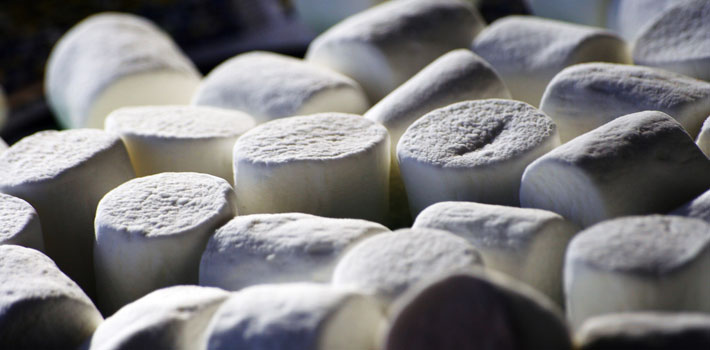
Originally it was called Marshmallow Day and was all about marshmallows, not chocolate. People liked the idea of the new holiday, but weren’t too keen on the marshmallows. The preferred candy changed from marshmallows to chocolate, but the color scheme stayed the same – hence the name «White Day,» and why white chocolate remains a popular White Day gift, even today.
White Day Outside Of Japan
White Day is definitely a uniquely Japanese invention, but it’s spread to some other Asian countries, including South Korea and China.
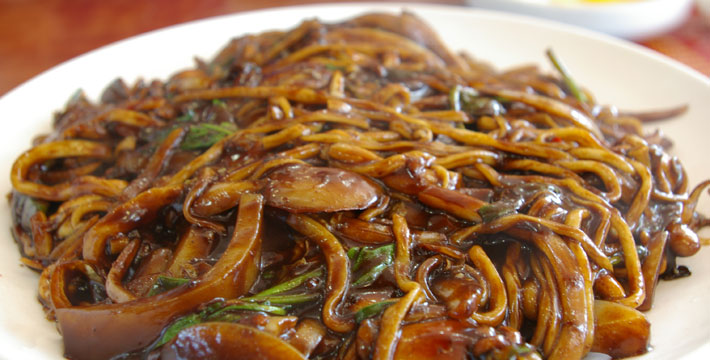
South Korea even has yet another Valentine’s-Day-related holiday: the aptly named day for single people, Black Day. People in Korea celebrate being single by burying their sorrows with a noodle dish with black bean sauce called jajangmyeon.
(No doubt, Black Day is just a ploy by the powerful Korean noodle industry.)
So for those in you in Japan, I hope you’re having a happy White Day today; those of us elsewhere in the world will just have to buy our own chocolate.
Japan’s «White Day» Holiday: Your 2023 Guide
This post may contain paid affiliate links, for which we receive a commission. We only include these links to services we’ve actually used and recommend.
I’m sure you’re familiar with Valentine’s Day, but have you heard of White Day?
White Day is also a celebration of love. However, the concept is a little different, as it’s meant to serve as a way to honor those who buy gifts on February 14 to their significant others. Essentially, partners get to return the favor of gift-giving to their better halves on this special day.
In Japan, as well as in South Korea and China, March 14 is celebrated as a special occasion, exactly a month after Valentine’s Day. Originating in the 1970s in Japan, White Day was once called Marshmallow Day and is meant to serve as sort of a “reverse Valentine’s Day.”
However, the history of White Day and how it came to be is rather intertwined with the history of Valentine’s Day in Japan.
In this post, I’ll explain what White Day is, as well as how it came to be called “Marshmallow Day.” I’ll also explain the traditions around this special occasion and provide you with some gift ideas so that you can properly return the favor to your significant other.
Let’s get started with the history of White Day and how it differs from Valentine’s Day first.
In this article: ��
- A Confectionery Tale of Two Celebrations: Valentine’s Day and White Day
- Celebrating White Day in Japan: The Traditions and Customs
- What to Buy for White Day: A Guide to Perfect White Day Gifts
- Useful Japanese Vocabulary for White Day
- Frequently Asked Questions About White Day in Japan
A Confectionery Tale of Two Celebrations: Valentine’s Day and White Day
As I mentioned, even though White Day is celebrated in multiple countries in Asia, it originated in Japan in the 1970s. However, in order to explain how White Day came to be, we need to talk about the history of Valentine’s Day in Japan first.
The Story of Valentine’s Day in Japan: Heart-Shaped Chocolates Go a Long Way
In the U.S. and in European countries, Valentine’s Day has been a celebrated occasion for a very long time. More specifically, the day is said to be based on Pagan traditions that originated 2000 years ago. However, this isn’t the case in Japan.
Japan’s history with Valentine’s Day is a rather short one, as the tradition only picked up back in the 1960s when department stores started selling heart-shaped fancy chocolates.
These chocolates quickly took off as popular gifts among women who frequented department stores at the time as a way to show their appreciation and love for their partners.
So, unlike the rest of the world, women buying chocolates for men became a popular tradition for Valentine’s Day in Japan. While the times have changed, and a person can buy a gift to their significant other regardless of their gender, today, this custom of women buying gifts for men on Valentine’s Day is still the same among straight couples.
With this background story in mind, let’s now take a look at another tale of a well-celebrated day that originated from confectionery goods, which is White Day.
The Story of White Day in Japan: Marshmallows Work Just as Well
After Valentine’s Day took off thanks to the success of the heart-shaped chocolates, in time, women began giving all sorts of gifts to their significant others on February 14.
However, if you read my post about how to say sorry in Japanese, you’ll know that Japanese people are big on politeness, not inconveniencing others, and returning the favor.
So, another confectionery genius in Fukuoka around the ‘70s came up with an idea.
According to the tale, the owner of a sweets shop read a letter sent by one of the readers of a magazine complaining about how it was unfair for men to receive chocolate but not give anything in return. The letter also stated that even a marshmallow would be better than nothing.
This letter sparked a brilliant idea in the shop owner’s mind.
On March 14th, which is exactly a month after Valentine’s Day, they would celebrate a reverse Valentine’s Day. So, the confectionery store started a campaign by selling marshmallows that were meant to be “reverse Valentine’s Day gifts.” The whole campaign was built around the idea that it wasn’t fair for men to not gift anything in return.
As you may know by the tradition of omiyage, or gift giving, Japanese people absolutely loved this idea.
As it began with marshmallows, the day was first named “Marshmallow Day” by the public. However, other white sweets like white chocolate also became popular White Day gifts, and the name was later changed to “White Day” in order to be more inclusive.
In the 80s, the day officially became a thing nationally, as the Japanese National Confectionery Industry Association declared it as so. Today, White Day is still celebrated on March 14th, and it has spread out to other Asian countries like China and South Korea as well, but what exactly does it entail?
Let’s now take a look at some White Day traditions and how exactly the day is celebrated in Japan.
Celebrating White Day in Japan: The Traditions and Customs
As you may know, Japan has many customs and traditions around pretty much every event you can think of. This means that there are also many traditions around White Day as well.
Planning the Perfect Date
White Day may be a day of gift-giving, but just like Valentine’s Day, this special occasion also calls for a special date.
If you’re looking for a romantic atmosphere, going to a flower garden or a botanical garden can be a great idea — it’s especially popular among those whose relationships are relatively new.
Similarly, as March happens to be around the time when cherry trees begin to blossom, you can take a walk around cherry trees which are plentiful around parks and bodies of water. While you’re at it, you can also prepare a nice picnic basket, which will be the cherry on top.
Of course, you can also plan a day trip with your significant other. For instance, Kamakura, which is only an hour away by train from Tokyo and has Buddhist temples, the Great Buddha, and views of Mt. Fuji, can be a great idea. If you’re into hiking, Nikko, which is 2.5 hours away by train from Tokyo and has many hiking spots, as well as temples, shrines, and waterfalls, is also a good idea.

Giri Choco: Gift or an Obligation?
You may have the perfect White Day date and gift prepared, but have you thought about your other loved ones, friends, and even colleagues?
In Japan, Valentine’s Day and White Day gifts aren’t just for your significant others but for all of your loved ones and acquaintances. I’ll explain this later as it becomes relevant, but while nowadays this isn’t exactly the case, you may still be expected to buy a few gifts for those who aren’t your significant other.
This is exactly where the concept of giri choco comes into play. Aptly named the “obligation chocolate,” giri choco is a small, inexpensive chocolate you buy for those who aren’t your significant other but you are obligated to buy gifts for.
For instance, if you’re working in a traditional Japanese company (ones that haven’t banned obligatory White Day gift-giving because of societal pressure), not buying giri choco for your colleagues who you work with on a daily basis can be considered rude or inconsiderate.
While giri choco may sound like a strange obligation, it comes from a sincere place as it’s meant for those who may feel left out on such a special occasion.
Tomo Choco: The Friend Chocolate
As I mentioned, the gift-giving tradition of White Day isn’t just reserved for romantic partners but for close friends as well. This is what tomo choco is all about.
Tomo choco is also called “friend chocolate” as it’s meant for close friends. More specifically, it’s for girls who want to buy a White Day gift for their closest female friends.
The reason tomo choco exists is simple — nobody likes to see their friends miss out on the fun. Besides, it’s a nice way to empower friendships among women, as romantic days such as Valentine’s Day and White Day can put too much emphasis on romantic relationships. As there isn’t a “friend day” to celebrate, it just makes sense.
Tomo choco can be bought, but it can be made by hand as well. This way, you can make an activity out of it and have fun while you honor your friends.
Honmei Choco: For the Real Ones
If you’re looking for the romantic White Day tradition, look no further. Honmei choco is the real deal, and it’s meant for the one you love.
Just like tomo choco, honmei choco can be handmade as well, as it comes from a much more genuine place, unlike giri choco. However, you can also buy honmei choco from a store– Just make sure that it’s not a simple one. Honmei choco is meant to look and taste good, which means that you’re going to have to splurge a little.
Chocolate truffles with fancy packaging are common honmei choco gifts, as well as gourmet pralines. In recent years, pudding has become especially popular as a gift on both Valentine’s Day and White Day, so it can be a good option if your significant other isn’t a fan of chocolate truffles.
White Day and Valentine’s Day Traditions: Are They Still Alive Today?
Even though White Day originated in Japan and even spread out to other Asian countries like South Korea and China, it’s safe to say that the tradition isn’t exactly as popular as it once was today.
For one, White Day is strongly tied to Valentine’s Day, which hasn’t been as commonly celebrated as before nowadays. Many people think that it’s a commercial tradition, and As fewer people buy gifts on Valentine’s Day, there are fewer gifts to “return” on White Day.
What’s more, due to the prominent culture of reciprocating gift-giving in Japan, which is called “okaeshi,” many people admit that the pressure of returning gifts in an endless cycle takes both an emotional and financial toll.
It’s common to buy gifts not only for your significant other but for your close friends, family, and even colleagues on both Valentine’s Day and White Day as well. So, nowadays, many people only buy gifts for their significant others, while a small but growing number of people skip the tradition altogether.
Still, both Valentine’s Day and White Day traditions — which mostly revolve around buying gifts — are very much prominent in Japan. Despite the fact that there are people who don’t celebrate the occasions, you’ll still see that the spirit is still alive on the streets and in storefronts all over the country.
What to Buy for White Day: A Guide to Perfect White Day Gifts
As White Day is all about buying gifts for those who have given you gifts on Valentine’s Day, gifts are without a doubt the biggest part of White Day. So, knowing what to buy is extra crucial.
While the name “White Day” itself originated from the tradition of buying white marshmallows and later white chocolate or sweets, over time, this tradition turned into simply buying gifts of any kind.
Still, confectionery goods are always a big hit, as well as accessories. Let’s now take a look at some of the most common White Day gift ideas. Then, I’ll also provide you with some of our more out-of-the-box ideas if you’re looking for alternatives.
Chocolate: Can’t Go Wrong With It
If you’re looking to play it safe, chocolates are your friend.
After all, who can say no to a luxurious box of delicious chocolates? Not only do they give you a rush of happiness due to the endorphins they contain, but chocolates also symbolize love and affection, making them both a delicious and a sentimental gift at the same time.
Cookies: Maybe You Could Be Just Friends
You’ve given your crush the most delicately prepared box of chocolates on Valentine’s Day, and now you can’t wait for White Day to arrive to see what you’ll get in return. If you received a box of cookies, I have some bad news for you.
As the dry and crumbly texture of cookies isn’t the best representation of love, buying someone cookies on White Day means that they just see you as a friend. So, while they aren’t exactly a nice gift to give to your loved one, you can very well gift cookies to your friends as there will be no hard feelings attached.

Hard Candy: A Sign of Ever-Lasting Love
Want to make sure that your significant other or crush absolutely gets the message that you’re in love with them? Then hard candy is the perfect gift for you.
Just like the crumbly texture of cookies resemble the dryness or staleness of a relationship, hard candy symbolizes long-lasting love that doesn’t diminish quickly.
This is because hard candy doesn’t dissolve quickly when eaten, and you can enjoy the flavor for a long time. So, if you received a gift from someone on Valentine’s Day and want to make sure that they know their feelings are mutual, you can gift them hard candy on White Day, which will ensure that they get the message.
Marshmallows: Not the Best Idea
If you’ve come this far, you may be wondering why marshmallows are so far down on my list of White Day gift suggestions, especially considering the fact that the day originated from the act of gifting marshmallows.
Well, things have changed since then.
Once a symbol of love and appreciation, marshmallows nowadays aren’t the sort of gift you want to buy for your romantic partner. After all, Japanese culture is sentimental, and objects and items often carry a deeper, philosophical meaning.
So, while they used to symbolize one’s pure love due to the white color, today, marshmallows are seen as an “I don’t really like you” gift because they melt and dissolve very easily. As you can imagine, this isn’t a good thing for a gift that’s meant to represent long-lasting love.
So, even if you want to honor the tradition, buying marshmallows can backfire quickly. You’re much better off buying a fancy box of chocolates or picking from the other recommendations I shared.
Now that we’ve covered the most prominent gift ideas and explained what each one means, it’s time for some slightly more out-of-the-box gift ideas so that you can switch things up every once in a while.
Macaroons: Not Your Average Cookie
We’ve already talked about cookies and how they symbolize the fact that you just want to stay friends, but hear me out.
Macaroons are a French delicacy and can easily be classified as cookies, but these delicate confectionery goods don’t carry the same meaning as cookies.
Macaroons often come in nice boxes and are usually seen as more luxurious gifts. They’re also hard to make as it takes some technique, practice, and time to get right. Oh, and the fact that they’re from France, a country that’s globally romanticized, doesn’t exactly hurt.
Because of this, buying or making macaroons can be perfect gift ideas for White Day and will show that you truly love your significant other.
Pampering Kits and Self-Care Baskets: Inedibles Work Just As Well
While all of the gift ideas I covered so far have been edible treats, nowadays, self-care goods are just as effective in showing your love nowadays.
For instance, you can prepare a basket that’s filled with luxurious and nice-smelling self-care products such as lotions, bath bombs and salts, and perfumes.
Similarly, you can also gift an experience instead of a series of goods. For instance, gifting your loved one a SPA day package is another great way to show your appreciation for them.
Jewelry: Diamonds Are Everyone’s Best Friend
When it comes to picking gifts, this may be an obvious idea, but the emphasis on edible gifts on White Day may lead you to forget that nice jewelry is always a great gift idea.
While buying jewelry may feel like a cop-out, in this case, it can still be a sentimental gift. Buying something that your significant other will wear frequently can be a great way to remind them of your love and that you’re always with them.
For instance, items that can be worn frequently, like a necklace your significant other can wear all the time, works well. Of course, if you want to splurge, no one will stop you from getting those pair of diamond earrings.
Useful Japanese Vocabulary for White Day
You may be familiar with the customs and traditions around White Day, but you can still use a few handy White Day-related vocabulary, especially if you’re going to be the one buying a gift.
Here are some useful Japanese phrases and words you can learn for White Day in Japan:
- Howaitodē (ホワイトデー): White Day
- Barentain Dē (バレンタインデー): Valentine’s Day
- Dēto (デート): Date
- Gifuto (ギフト): Gift
- san-gatsu jū yokka (3月14日): March 14th
- Chokorēto (チョコレート): Chocolate
- Mahsumaro (マシュマロ): Marshmallows
- O-kashi (お菓子): Snack
- Akusesarī (アクセサリー): Accessory
- Arigatō (ありがとう): Thank you (see “thank you in Japanese”)
- Hanataba (はなたば): Flower bouquet
- Suki desu (好きです): I like you
- Aishiteiru (愛している): I love you
- Kareshi (かれし): Boyfriend
- Kanojo かのじょ): Girlfriend
Now you’re ready to conquer White Day like a true local! Before I close out this post, let’s answer some frequently asked questions.

Frequently Asked Questions About White Day in Japan
If you still have some questions, I’ve got you covered. Here are the answers to some of the most frequently asked questions about White Day in Japan.
Why is White Day Celebrated on March 14th?
As Valentine’s Day is celebrated on February 14th, White Day is meant to be celebrated as a “reverse Valentine’s Day” and is celebrated one month later on the same day of the month, which is March 14th.
What Does White Day Celebrate?
Just like Valentine’s Day, White Day also celebrates love. However, the significance of the day is that partners who receive gifts on Valentine’s Day return the favor on March 14th.
Although White Day doesn’t stem from a specific historic event and hasn’t exactly been a long-running tradition, it originated in the ‘70s from the idea that it was unfair for women who buy gifts for men to get nothing in return.
Is White Day a National Holiday in Japan?
While it’s a publicly celebrated occasion, White Day isn’t a national holiday in Japan. Similarly, Valentine’s Day isn’t a public holiday in Japan either.
Are White Day Gifts Common in Japan?
While it became a tradition in the ‘70s, White Day isn’t celebrated by everyone in Japan as it’s seen as a “commercial tradition” by many people.
What’s more, White Day has had a similar trajectory to Valentine’s Day in Japan as it became customary to buy gifts for all loved ones and even colleagues on both days. Due to this, many people started to feel pressured to buy gifts, which has led many companies to ban giving gifts on White Day among coworkers.
Still, it’s a nice tradition that’s still somewhat prominent among those who are older and are more traditional.
What Should I Buy on White Day?
While White Day originated from a confectionery that sold marshmallows to be gifted, you can also buy white chocolate and other sorts of candies that have become popular White Day gifts over time as well.
That being said, you can also get creative with your gifts, as, nowadays, people buy accessories, snacks, jewelry, handbags/purses, and even self-care/cosmetics products like lotions. Unlike what the tradition once was, your gifts don’t even have to be white, either.


Japan Dev Team
This post was written by our Japan Dev editorial team.