What Is a Credit Card Cash Advance Fee?
LaToya Irby is a credit expert who has been covering credit and debt management for The Balance for more than a dozen years. She’s been quoted in USA Today, The Chicago Tribune, and the Associated Press, and her work has been cited in several books.
Updated on January 31, 2022
Reviewed by
Khadija Khartit is a strategy, investment, and funding expert, and an educator of fintech and strategic finance in top universities. She has been an investor, entrepreneur, and advisor for more than 25 years. She is a FINRA Series 7, 63, and 66 license holder.
In This Article
In This Article
:max_bytes(150000):strip_icc()/credit-card-cash-advance-fee-explained-2f669e92e6404f9aa2b6bd7229723cc3.png)
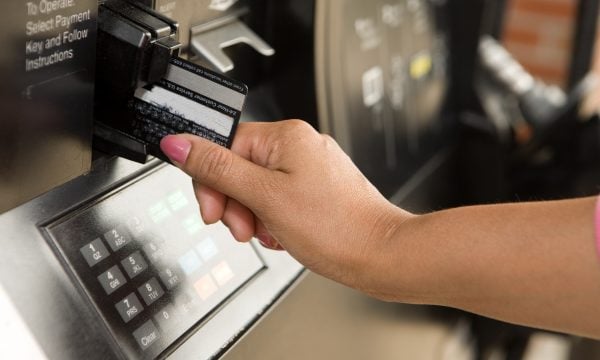
One of the transactions you can make on your credit card is a cash advance. Taking out a credit card cash advance is like withdrawing cash from the ATM by using your debit card, only with a credit card cash advance you’re borrowing cash from your credit limit, not drawing it from your checking account. When you take out an advance on your credit card, you have to repay the money just as you would with purchases you make on your credit card.
The Cash Advance Fee
Your credit card issuer isn’t really doing you any favors by letting you take out a cash advance, which can be done via ATM or through convenience checks your card issuer sends in the mail. They’ll make money off the transaction by charging a cash advance fee each time you take out a cash advance against your credit limit. That’s on top of interest charged as of the day you make the cash advance.
How Much Is a Credit Card Cash Advance Fee?
The exact amount of your cash advance fee depends on the amount of your advance and the method your credit card issuer uses to calculate the fee.
Most credit card issuers charge either a flat fee or a percentage of the cash advance amount, whichever is greater. For example, a typical cash advance fee is the greater of $10 or 5%. So, if you take out a cash advance of $100 under these terms, your cash advance fee would be $10, since 5% of $100 is only $5. On the other hand, if you take out a cash advance of $500, your cash advance fee would be $25.
With some credit cards, you can be charged a cash advance fee for cash-equivalent transactions, which are transactions that are treated like cash advances even though you haven’t taken out cash from an ATM. For example, you’ll also be charged a cash advance fee if you use your credit card as overdraft protection, purchase a money order, put money on a reloadable gift card, buy lottery tickets, or send money to another person. The fee for a cash-equivalent transaction may be different from the regular cash advance fee.
Your credit card issuer is required to disclose the method it uses to calculate your cash advance fee.
Note
Refer to your credit card agreement or the back of your billing statement for more information on your cash advance fee.
If you have questions about your cash advance fee, contact your credit card’s customer service department by calling the number on the back of your credit card. Know how the fee is calculated before you take out a cash advance, so you won’t be caught off guard.
Can You Avoid a Cash Advance Fee?
The only way to avoid a cash advance fee is by avoiding cash advances and cash equivalent transactions on your credit card. If you can’t avoid the transaction completely, you can minimize the cash advance fee you pay by reducing the amount of cash you withdraw on your credit card. Since interest starts accruing right away on a cash advance, paying your cash advance back quickly will lower the overall cost of the advance.
Frequently Asked Questions (FAQs)
Are there any credit cards that don’t charge cash advance fees?
Not all credit card lenders charge cash advance fees so it can be helpful to do your research to find one that doesn’t if you frequently find yourself having to get cash this way. You might have more luck with credit unions. LendingTree recommends Pentagon Federal Credit Union (PenFed) cards. You must normally qualify for a credit union, but PenFed is open to anyone.
What other fees can credit card companies charge in addition to cash advance fees and interest?
Most credit card lenders charge annual fees for the privilege of using their cards. You’ll probably also have to pay extra fees if you go over your credit limit or make a late payment.
Перевод «advance fee» на русский
When you use a cash advance, whether it’s an ATM withdrawal or convenience checks from your credit card issuers, you’ll be charged a cash advance fee.
При использовании наличного аванса, будь то снятие денег в банкомате или удобные чеки от эмитентов Вашей кредитной карты, с вас будет взиматься плата за наличный аванс.
This so called «Advance Fee Fraud» has become an industry in Nigeria, and the surrounding countries.
Это так называемый «Авансовый платеж Мошенничество» стал промышленности в Нигерии, так и в соседних странах.
This variation relies on the target agreeing to accept a sum of money that they know that they are not entitled to and then, when they refuse to pay the advance fee, the scammers then threaten to report them unless blackmail is paid.
Это изменение зависит от цели договориться о понимании суммы в валюте, понимая, что они не имеют права, и, отказываясь платить аванс, мошенники угрожают сказать о них, если вымогательство не будет оплачено.
The contract provided that the Employer would pay Energoprojekt an advance fee, issue a bank guarantee in favor of Energoprojekt and make payments on the monthly interim certificates for work performed within 15 days of approval.
Контракт предусматривал, что заказчик выплатит «Энергопроекту» аванс, предоставит «Энергопроекту» банковскую гарантию и будет осуществлять платежи за произведенные работы на основании месячных промежуточных актов о приемке в течение 15 дней с даты приемки.
To reserve the apartment with the guarantee, it is necessary to pay the advance fee in amount one night stay fee (the advance fee will be included in total sum of staying in the apartment).
Для того, чтобы гарантированно забронировать квартиру, необходимо внести авансовый платёж в размере одних суток аренды квартиры (аванс включается в стоимость за все сутки проживания).
What Is a Credit Card Cash Advance Fee?
Most credit cards allow you to get a cash advance, but they typically charge an upfront fee, as well as a higher interest rate on the advanced amount, making it an expensive way to get cash from your line of credit.

At Experian, one of our priorities is consumer credit and finance education. This post may contain links and references to one or more of our partners, but we provide an objective view to help you make the best decisions. For more information, see our Editorial Policy.
In this article:
- What Is a Cash Advance Fee?
- How Much Does a Cash Advance Cost?
- Alternatives to a Cash Advance
A cash advance fee is a charge that credit card companies assess when you tap your line of credit to get cash. The fee can be in the form of a flat charge or a percentage of the advance amount, and between the upfront fee and the higher interest rate on cash advances, it’s best to avoid them if possible.
What Is a Cash Advance Fee?
You can use a cash advance in a pinch to tap into your line of credit to get cash, but it comes at a cost. A credit card cash advance fee is a charge that your credit card issuer makes you pay to complete a cash advance.
The most common structure is 5% of the advance amount or $10, whichever is more. But some card issuers may charge less or more than that.
In addition to the cash advance fee, card issuers also typically charge a higher APR compared to the rate charged on regular purchases. What’s more, cash advances don’t qualify for the same grace period as purchases, so interest starts accruing immediately.
How Much Does a Cash Advance Cost?
To give you an idea of how much a cash advance can cost, let’s say you have a card that charges a 5% fee with a $10 minimum and a 28% cash advance APR, and you pay off your cash advance in six months:
| Costs Associated with a Cash Advance | ||||
|---|---|---|---|---|
| Cash Advance Amount | Fee | Monthly Payment | Interest | Total Cost |
| $100 | $10 | $18.05 | $8.32 | $18.32 |
| $500 | $25 | $90.27 | $41.62 | $66.62 |
| $1,000 | $50 | $180.54 | $83.24 | $133.24 |
| $2,000 | $100 | $361.08 | $166.47 | $266.47 |
Note that any credit card payments you make beyond your required minimum monthly payment are applied to the balance with the highest interest rate, which will likely be your cash advance. If you have a balance that’s currently benefiting from a 0% introductory APR, that payment priority is especially important to keep in mind.
Alternatives to a Cash Advance
A credit card cash advance can provide you with quick access to cash via an ATM, bank transfer or even at the teller counter at a bank or credit union. And compared to high-interest options like payday loans and auto title loans, they can be preferable.
But there may be other opportunities to get cash fast without incurring such a high fee. Here are some potential options:
- Cash advance apps: Also called paycheck advance apps, these services can offer advances ranging from $25 to $1,000, depending on which one you choose. Many of them don’t charge interest or fees on advances, but you may need to pay extra to get your money quickly.
- Salary advance: If your employer offers salary advances, contact your payroll manager to discuss your options and how it might affect your upcoming paychecks.
- Third-party payment services: If you have an upcoming expense that you can’t use your credit card for, consider a third-party service like Plastiq, which can allow you to pay certain bills that don’t usually allow credit cards. Plastiq charges a fee of 2.9%, which is far less than what you’d pay with a cash advance fee and APR.
- Buy now, pay later services: Some buy now, pay later services can allow you to make purchases online—and sometimes even in-store—and pay them off over time with no interest or fees. In many cases, there’s also no hard credit check when you apply.
- Personal loan: If you have good credit, you may be able to get a personal loan with a much lower interest rate. Some lenders don’t even charge upfront fees. What’s more, many lenders offer same- or next-day disbursement of your funds once you’re approved.
- Loan from a family member or friend: If you have a loved one who’s willing to lend you some money, you may be able to get the help you need without additional costs. Just make sure you draw up a contract with your friend or family member to make it official, and pay off the debt on time or early to avoid damaging your relationship.
Build Your Credit to Improve Your Access to Cash
It can be stressful to be low on cash, particularly if your credit needs some work and you don’t have access to affordable financing options. While it might not help out this time, prepare yourself for future financing needs by working to improve your credit.
To get an idea of which steps to take, register with Experian to access your credit score and Experian credit report for free. Evaluate your credit health and look for areas where you can make some improvements. You can also monitor your FICO ® Score ☉ over time to track your progress and get real-time alerts when changes are made to your report.
As you work on establishing a positive credit history, you’ll have better odds of getting approved for credit with favorable terms when you need it.
Don’t Apply Blindly
Apply for credit cards confidently with personalized offers based on your credit profile. Get started with your FICO ® Score for free.
Resources
- Credit Score
- Credit Score FAQs
- What Are the Different Credit Scoring Ranges?
- Credit Score Basics
- What Is a Good Credit Score?
- What Affects Your Credit Scores?
- Credit Report
- Credit Report Basics
- Credit Repair: How to “Fix” Your Credit Yourself
- How to Dispute Credit Report Information
- Understanding Your Experian Credit Report
- Fraud & Identity Theft
- How to Freeze Your Credit
- Identity Theft Victim Assistance
- What Is Identity Theft and How Do I Make Sure It Doesn’t Happen to Me?
- Steps to Take if You Are the Victim of Credit Card Fraud
- Improve Credit
- How to Improve Your Credit Score
- How to Build Credit
- What Is a Credit Utilization Rate?
- Personal Finance
- Is a Debt Consolidation Loan Right For You?
- How to Get a Debt Consolidation Loan With Bad Credit
- Is a Debt Management Plan Right for You?
- Total Credit Card Debt Reaches $1 Trillion: 5 Ways to Get Out of Debt
- How to Pay Off Credit Card Debt
- Calculators
- APR Calculator
- Personal Loan Calculator
- Credit Card Payoff Calculator
- Mortgage Calculator
- Car Payment Calculator
- Savings Calculator
Latest Research
- Experian Q2 2023 Consumer Credit Review
- Average Mortgage Balances Top $1 Million in These 26 Cities
- Student Loan Survey: Most Borrowers Are Stressed About Repayments
- View All Research
Latest Reviews
- Best Credit Cards for Holiday Shopping of 2023
- Best Credit Cards for Black Friday and Cyber Monday 2023
- Best Credit Cards for Streaming Services of 2023
- Best Credit Cards for Groceries of 2023
- Best Credit Cards for Teens of 2023
- The Best Credit Cards for Booking Cruises of 2023
Credit
- Free credit monitoring
- 3-bureau reports and FICO ® Scores
- Annual credit report
- Experian CreditLock
- Understanding credit reports
- How to improve your credit score
Personal finance
Personal finance
- Credit card reviews
- Loan reviews
- Car insurance reviews
- Budgeting
- Saving
- Mortgage & renting
Support
- How to freeze your credit file
- How to dispute info on your credit report
- Identity theft victim assistance
- Support for denied credit
- Upload a document to Experian
- Experian customer support
Experian’s Diversity, Equity and Inclusion
- Legal Terms & Conditions
- Privacy Center
- U.S. Data Privacy Policy
- Press
- Ad Choices
- Careers
- Investor Relations
- Contact Us
To view important disclosures about the Experian Smart Money™ Digital Checking Account & Debit Card, visit experian.com/legal.
The Experian Smart Money™ Debit Card is issued by Community Federal Savings Bank (CFSB), pursuant to a license from Mastercard International. Banking services provided by CFSB, Member FDIC. Experian is a Program Manager, not a bank.
☉Credit score calculated based on FICO ® Score 8 model. Your lender or insurer may use a different FICO ® Score than FICO ® Score 8, or another type of credit score altogether. Learn more.
Editorial Policy: The information contained in Ask Experian is for educational purposes only and is not legal advice. You should consult your own attorney or seek specific advice from a legal professional regarding any legal issues. Please understand that Experian policies change over time. Posts reflect Experian policy at the time of writing. While maintained for your information, archived posts may not reflect current Experian policy.
Opinions expressed here are author’s alone, not those of any bank, credit card issuer or other company, and have not been reviewed, approved or otherwise endorsed by any of these entities. All information, including rates and fees, are accurate as of the date of publication and are updated as provided by our partners. Some of the offers on this page may not be available through our website.
Offer pros and cons are determined by our editorial team, based on independent research. The banks, lenders, and credit card companies are not responsible for any content posted on this site and do not endorse or guarantee any reviews.
Advertiser Disclosure: The offers that appear on this site are from third party companies («our partners») from which Experian Consumer Services receives compensation. This compensation may impact how, where, and in what order the products appear on this site. The offers on the site do not represent all available financial services, companies, or products.
*For complete information, see the offer terms and conditions on the issuer or partner’s website. Once you click apply you will be directed to the issuer or partner’s website where you may review the terms and conditions of the offer before applying. We show a summary, not the full legal terms – and before applying you should understand the full terms of the offer as stated by the issuer or partner itself. While Experian Consumer Services uses reasonable efforts to present the most accurate information, all offer information is presented without warranty.
Experian websites have been designed to support modern, up-to-date internet browsers. Experian does not support Internet Explorer. If you are currently using a non-supported browser your experience may not be optimal, you may experience rendering issues, and you may be exposed to potential security risks. It is recommended that you upgrade to the most recent browser version.
© 2023 All rights reserved. Experian. Experian and the Experian trademarks used herein are trademarks or registered trademarks of Experian and its affiliates. The use of any other trade name, copyright, or trademark is for identification and reference purposes only and does not imply any association with the copyright or trademark holder of their product or brand. Other product and company names mentioned herein are the property of their respective owners. Licenses and Disclosures.
What Is a Credit Card Cash Advance?
A cash advance is a short-term cash loan — an expensive one — taken against the credit line on your credit card.
Lindsay Konsko
Updated Aug 9, 2021Paul Soucy
Lead Assigning Editor | Credit cards, credit scoring, personal financePaul Soucy has led the Credit Cards content team at NerdWallet since 2015. He was an editor with USA Today, The Des Moines Register and the Meredith/Better Homes and Gardens family of magazines for more than 20 years. He also built a successful freelance writing and editing practice with a focus on business and personal finance. He was editor of the USA Today Weekly International Edition for six years and received the highest award from ACES: The Society for Editing. He has a bachelor’s degree in journalism and a Master of Business Administration. He lives in Des Moines, Iowa, with his fiancée, his two sons and a dog named Sam.
Many or all of the products featured here are from our partners who compensate us. This influences which products we write about and where and how the product appears on a page. However, this does not influence our evaluations. Our opinions are our own. Here is a list of our partners and here’s how we make money.
Follow the writer
You’re following Lindsay Konsko
Visit your My NerdWallet Settings page to see all the writers you’re following.MORE LIKE THIS Credit Cards Credit Card Basics
A cash advance allows you to use your credit card to get a short-term cash loan at a bank or ATM. Unlike a cash withdrawal from a bank account, a cash advance has to be paid back — just like anything else you put on your credit card. Think of it as using your credit card to «buy» cash rather than goods or services.
It’s convenient, but it’s quite expensive.
Need money fast? Also consider:
How a cash advance works
If you carry only credit cards for day-to-day spending, you could find yourself in a pinch when confronted with a cash-only situation, such as buying lunch from a street vendor, veggies at a farmers market or a sandwich at a mom-and-pop deli. In that case, a cash advance might be tempting. Some people also turn to credit card cash advances when they need paper money but don’t have enough in their bank account.
If your credit card has a PIN, you can get cash advances directly from an ATM. Otherwise, you can take your card to a bank that offers advances through your card’s payment network, such as Mastercard or Visa. You’ll have to show ID.
Be aware that most credit card companies won’t allow you to take your entire credit line in the form of a cash advance. For most people, cash advances are capped at a few hundred dollars. This means that you can’t rely on your credit card to provide you with very much cash in the event of an emergency.
Ready for a new credit card?
Create a NerdWallet account for insight on your credit score and personalized recommendations for the right card for you.
GET STARTED

Why cash advances are expensive
Getting a cash advance is easy, but it’s one the costliest ways to get your hands on some cash. This is because cash advances can come with a variety of expenses:
Cash advance fees. These are imposed by your card issuer. Some cards charge a flat fee per cash advance, say $5 or $10. Others charge a percentage of the amount advanced — often as much as 5%. Sometimes it’s a percentage with a minimum dollar amount — such as 3% or $10, whichever is greater.
ATM or bank fees. These are imposed by the financial institution that handles the transaction — the owner of the ATM or the bank where you get your advance.
Interest. This can be costly in two ways. First, the interest rate that a credit card charges on cash advances is often much higher than the rate charged on purchases. Second, interest on cash advances usually starts accruing immediately. There’s no grace period like you can get with purchases.
Given the costs associated with taking a cash advance, you may be in dire financial straits if you’re considering one because there aren’t enough funds in your bank account. Cash advances should be used only in extreme emergencies. If you find yourself relying on them, it may be time to make some changes or seek help, say, through a credit counseling agency or expert.
Alternatives to cash advances
If you do find yourself facing a cash crisis and you’re not sure where to turn, consider the options below. None may be exactly ideal, but they could end up costing less than a cash advance in the long run:
A personal loan. This will be expensive if your credit isn’t great, but the interest charges and terms will still be more favorable than a cash advance. ( Learn more about personal loans. )
Promotional offers from your card’s issuer. In recent years, several credit card issuers have unveiled cheaper ways to tap into your credit line , including the ability to essentially turn your available credit into an installment loan without requiring a new loan application. You’ll still be charged interest on such a feature, but potentially at a fairly reasonable rate.
Borrowing money from friends or family. This might be awkward, but the savings will be worth it.
Overdrawing your checking account. Instead of taking a cash advance at an ATM, consider overdrawing your checking account with your debit card. You’ll face a fee, but you won’t have to worry about paying interest.
In summary, taking a cash advance on your credit card means taking on a very expensive short-term loan. This is almost never a good idea, so consider all other options before using a cash advance.
What’s next?
About the author
You’re following Lindsay Konsko
Visit your My NerdWallet Settings page to see all the writers you’re following.Follow for more nerdy know-how
Keep up with your favorite financial topics on NerdWallet.Lindsay Konsko is a former staff writer covering credit cards and consumer credit for NerdWallet. Read more
On a similar note.

NerdWallet Home Page
Make all the right money moves
Credit Cards
Financial Planning
Financial News
Small Business
Download the appDisclaimer: NerdWallet strives to keep its information accurate and up to date. This information may be different than what you see when you visit a financial institution, service provider or specific product’s site. All financial products, shopping products and services are presented without warranty. When evaluating offers, please review the financial institution’s Terms and Conditions. Pre-qualified offers are not binding. If you find discrepancies with your credit score or information from your credit report, please contact TransUnion® directly.
NerdUp by NerdWallet credit card: Bank services offered by Evolve Bank & Trust, Member FDIC. The NerdUp by NerdWallet Credit Card is issued by Evolve Bank & Trust pursuant to a license from Mastercard International, Inc.
NerdWallet Compare, Inc. NMLS ID# 1617539
California: California Finance Lender loans arranged pursuant to Department of Financial Protection and Innovation Finance Lenders License #60DBO-74812
Property and Casualty insurance services offered through NerdWallet Insurance Services, Inc. (CA resident license no. OK92033) Property & Casualty Licenses
NerdWallet™ | 55 Hawthorne St. — 10th Floor, San Francisco, CA 94105